VIDEO CENTER
Major Depressive Disorder
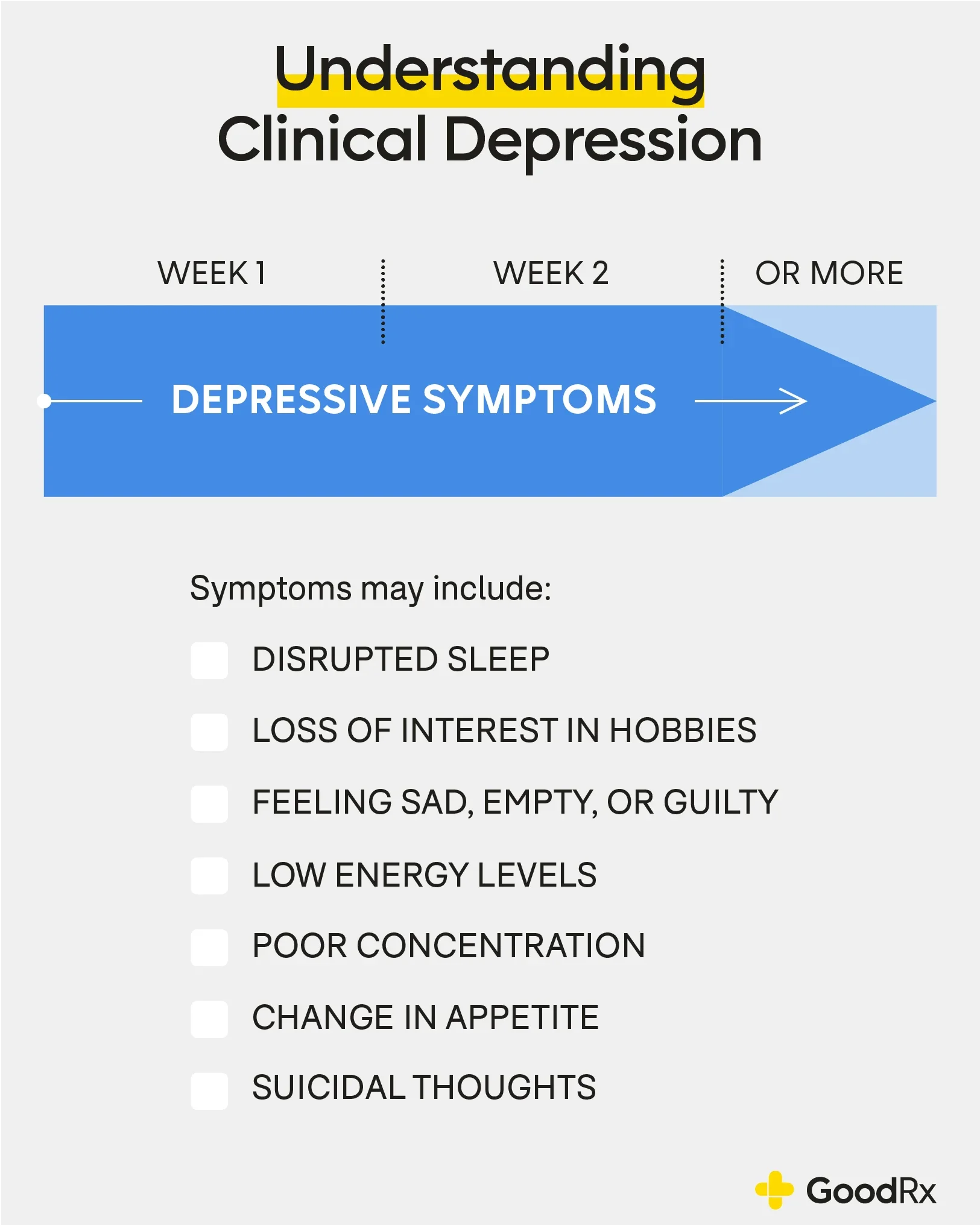
Major depressive disorder is also known as clinical depression. It refers to having low mood, energy, and functioning for at least two weeks.

Heart disease, cancer, and diabetes tend to get a lot of attention when it comes to health topics, but depression and mental illness have just as much of an impact on the world. In fact, depression is the leading cause of disability around the globe, according to the World Health Organization (WHO).
However, depression doesn’t affect everyone equally. Over 300 million people worldwide suffer from depression, but the disorder is twice as common in women, according to WHO.
The numbers may not tell the whole story: Depression is believed to be underdiagnosed in men.
That’s partly because men (especially straight, cisgender men) often experience different depression symptoms than women, and many tend to become irritable and aggressive instead of sad and stressed. Without recognizing their symptoms as depression, men on average are less likely to seek a diagnosis and treatment. (Learn more about gender differences in depression symptoms.)
Additionally, men still face more of a stigma for having depression and getting help, so those who do recognize their symptoms may resist taking action. As a result, many turn to harmful coping mechanisms; for example, alcohol use disorder is more common in men than women, according to WHO.
While the rates of depression may be underrepresented, women are *still* considered more prone to depression. Experts believe this stems from negative stressors that are unique to women.
For example, women are more likely than men to:
Be a victim of domestic or sexual abuse
Be the primary caretaker of others
Experience income inequality
Or generally lack a sense of autonomy.
These chronic stressors can make some women feel powerless or hopeless, and it may trigger a depressive episode. Although women are more likely to have depression, they are luckily more likely to seek treatment for depression than men. Early intervention of depression may keep the condition from becoming severe and can help lower the risk of death by suicide.
Preventing and treating depression among all genders is not just on the shoulders of the individual. Many of the triggers for depression among women are societal in nature, and therefore could be managed with cultural changes.
Women’s risk of depression drops when they have:
Healthy support systems: It helps when women can remain close to their own families after marriage, build friendships with other women, and join clubs or group hobbies.
Adequate material resources: Women’s mental health is better when they can obtain good jobs, receive fair pay, own homes, and have access to affordable and healthy food for their families.
And the power to make decisions about their own lives: Being able to choose one’s partner, if and when to have children, where to live, and what career path (if any) are important decisions, and having autonomy can help reduce the risk of depression for women.
In other words, empowering women may lighten the load of depression around the world.
This information is for informational purposes only and is not meant to be a substitute for professional medical advice, diagnosis or treatment. GoodRx is not offering advice, recommending or endorsing any specific prescription drug, pharmacy or other information on the site. GoodRx provides no warranty for any information. Please seek medical advice before starting, changing or terminating any medical treatment.
Prescription savings
Stop paying too much for your prescriptions. Compare prices, get pharmacy coupons, and save up to 80%.Resources
About GoodRx
 Find expert answers to your health questions so you can make the best decisions for yourself and your family.
Health conditions
Medications & treatment
Access & affordability
Well-being
Medication discounts


