VIDEO CENTER
Major Depressive Disorder
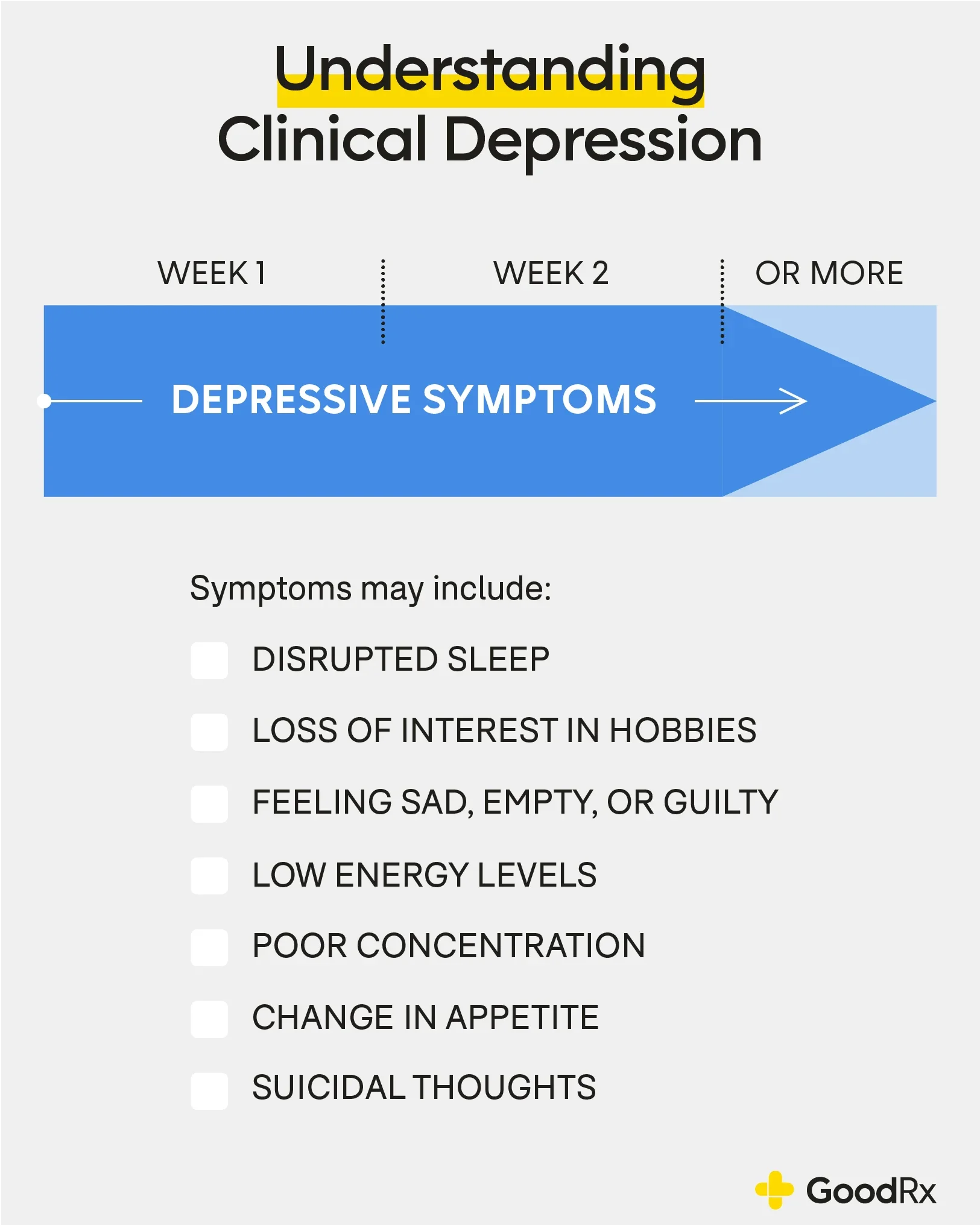
Major depressive disorder is also known as clinical depression. It refers to having low mood, energy, and functioning for at least two weeks.

When most people think of depression, they think of someone like Eeyore: sad, gloomy, and pessimistic. Some people with depression may be able to relate to Eeyore’s “symptoms,” but the truth is, depression can look very different from person to person — and even from gender to gender.
In general, women are more likely to experience the classic symptoms of depression, especially:
Chronic stress
Sadness
Sleeping too much or too little
Feelings of failure
And difficulty concentrating.
But men — particularly straight and cisgender men — may stray from these common symptoms. According to the National Institute of Mental Health, men who are depressed are more likely to exhibit the following signs:
Anger
Irritability
Aggressiveness
Loss of interest in hobbies and relationships
Morning fatigue
And impulsivity.
Because men have “atypical” symptoms of depression, many men (and their loved ones) do not easily recognize the behavioral and mood changes as depression. Not surprisingly, men are less likely to seek treatment for depression.
The disparity may stem from how young boys and girls are socialized. There are many factors and nuances, but here’s one obvious example: Little boys are often discouraged from crying or talking about their feelings. Many men grow up turning to anger instead of sadness when distressed, believing this is a more acceptable emotion.
On the other hand, girls are often allowed to cry and talk about feelings (and are often discouraged from being angry or violent). This also makes them more willing to recognize and admit their depression and seek help—often in the form of talk therapy.
LGBTQ individuals may face less pressure to stick to gender norms, but they experience depression at disproportionately high rates. (Learn more about the link between health and depression among LGBTQ individuals.)
Due to fear of discrimination, LGBTQ individuals with depression are less likely to seek treatment. Instead, they are more likely to turn to misusing alcohol, self-harming, or having suicidal thoughts. Sadly, LGBTQ youth are at least four times more likely to attempt suicide than heterosexual youth, according to the National Alliance on Mental Illness (NAMI) and the Centers for Disease Control and Prevention.
No matter your gender, your mental health matters. Feeling sad isn’t the only stipulation to get help for depression. If you notice changes to your mood and behaviors that are affecting your relationships, job, or general quality of life, you deserve help.
If you have depression and are experiencing thoughts of self-harm or suicide, call call the Suicide and Crisis Lifeline at 988.
This information is for informational purposes only and is not meant to be a substitute for professional medical advice, diagnosis or treatment. GoodRx is not offering advice, recommending or endorsing any specific prescription drug, pharmacy or other information on the site. GoodRx provides no warranty for any information. Please seek medical advice before starting, changing or terminating any medical treatment.
Prescription savings
Stop paying too much for your prescriptions. Compare prices, get pharmacy coupons, and save up to 80%.Resources
About GoodRx
 Find expert answers to your health questions so you can make the best decisions for yourself and your family.
Health conditions
Medications & treatment
Access & affordability
Well-being
Medication discounts


