VIDEO CENTER
Major Depressive Disorder
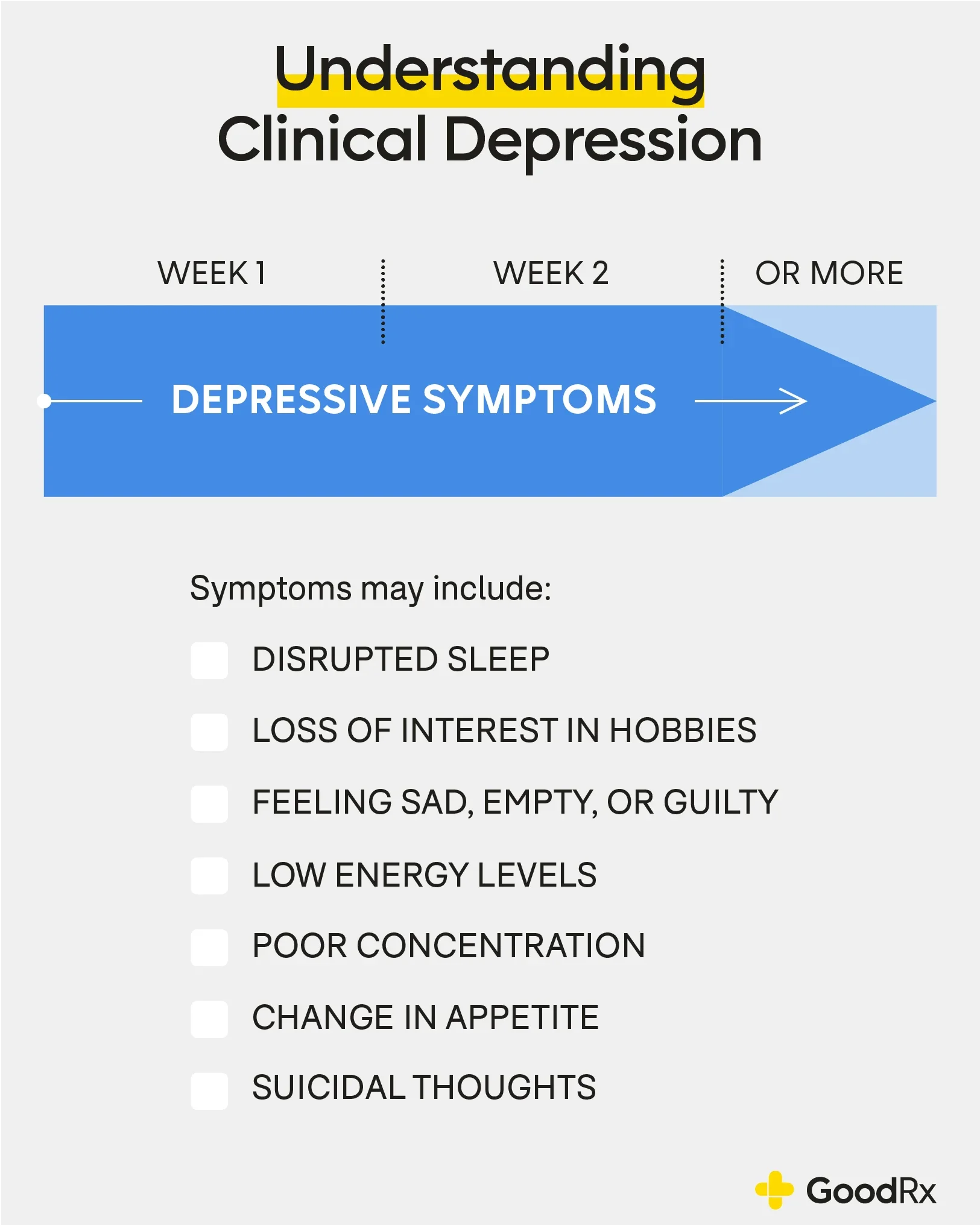
Major depressive disorder is also known as clinical depression. It refers to having low mood, energy, and functioning for at least two weeks.

People are talking publicly about their own struggles with depression now more than ever before. Still, some stubborn myths about depression persist.
Mental health myths can be dangerous because they perpetuate stigma. Throughout history, people have discriminated against and even criminalized those with mental health conditions. As a result, many people today still fear getting help for depression because they worry about the stigma of treatment. Untreated, depression can worsen and become a threat to the person’s safety.
Some people believe that depression is a character flaw or a moral failing, and it only happens to “weak” people. In reality, depressive mood can happen to anyone. It has nothing to do with strength, and you can’t just “muscle through” it.
This myth can prevent people from getting the treatment they need because of the false belief that depression is simply part of their character. Without professional help, many people see their symptoms worsen. This can increase their risk of substance misuse, self-harm, and suicidal ideation.
Treatment for depression often involves psychotherapy, medication, or a combination of the two. Some lifestyle changes (such as exercising regularly and reducing alcohol intake) can also help.
There is some type of social influence that may cause people in the same home or social circle to develop depression. There may be multiple people in one family, friend group, or workspace who experience depression.
However, this is not the same as depression being infectious. It may simply have to do with sharing similar social factors. For example, people may share environments that do not foster good mental health. Similarly, they may be victims of the same abusive friend or family member.
This is incorrect. For starters, there are a wide range of symptoms of depression, including:
Loss of pleasure and interest in things they used to enjoy
Feeling hopeless or worthless
Slowed-down movements or speech
Difficulty concentrating
Irritability
Sleeping more or less than usual
Eating more or less than usual
Lethargy and lack of motivation
What's more, sadness isn’t always the best way to describe depression. Many people actually describe their predominant state as “apathetic.” Instead of feeling sad, they’re feeling nothing. Others describe their state as a lack of positive emotions.
Finally, sadness is an emotion, but depression is a disease associated with actual biological changes in the brain. These changes may prevent cells from functioning normally.
Depression may occur after the sudden loss of a loved one, for example, but sometimes it occurs for no apparent reason. It can stem from genetics, a major life change, a separate medical problem, or substance use. Sometimes, even certain medications or underlying medical conditions can increase your risk of depression.
If you or someone you know has depression, it is important to understand what it is and how it is treated. That might mean unlearning some of the common myths about depression. Talk to your doctor about your questions, or check out these other topics:
If you or someone you know is thinking about suicide, you can call the National Suicide Prevention Lifeline at 1-800-273-TALK for free and confidential help 24 hours a day.
This information is for informational purposes only and is not meant to be a substitute for professional medical advice, diagnosis or treatment. GoodRx is not offering advice, recommending or endorsing any specific prescription drug, pharmacy or other information on the site. GoodRx provides no warranty for any information. Please seek medical advice before starting, changing or terminating any medical treatment.
Prescription savings
Stop paying too much for your prescriptions. Compare prices, get pharmacy coupons, and save up to 80%.Resources
About GoodRx
 Find expert answers to your health questions so you can make the best decisions for yourself and your family.
Health conditions
Medications & treatment
Access & affordability
Well-being
Medication discounts


