VIDEO CENTER
Shingles
Shingles is an infection caused by the same virus that causes chickenpox, and it can be very painful. The shingles vaccine can help reduce the risk of shingles and its long-term complications.

There’s a reason the shingles vaccine has become so important. Not only is shingles itself extremely painful. but it can also cause long-term nerve damage. This serious complication of shingles is called postherpetic neuralgia (PHN).
It's a long-term nerve pain that lasts three months or longer after having shingles. The name essentially translates to nerve inflammation caused by the herpes zoster virus.
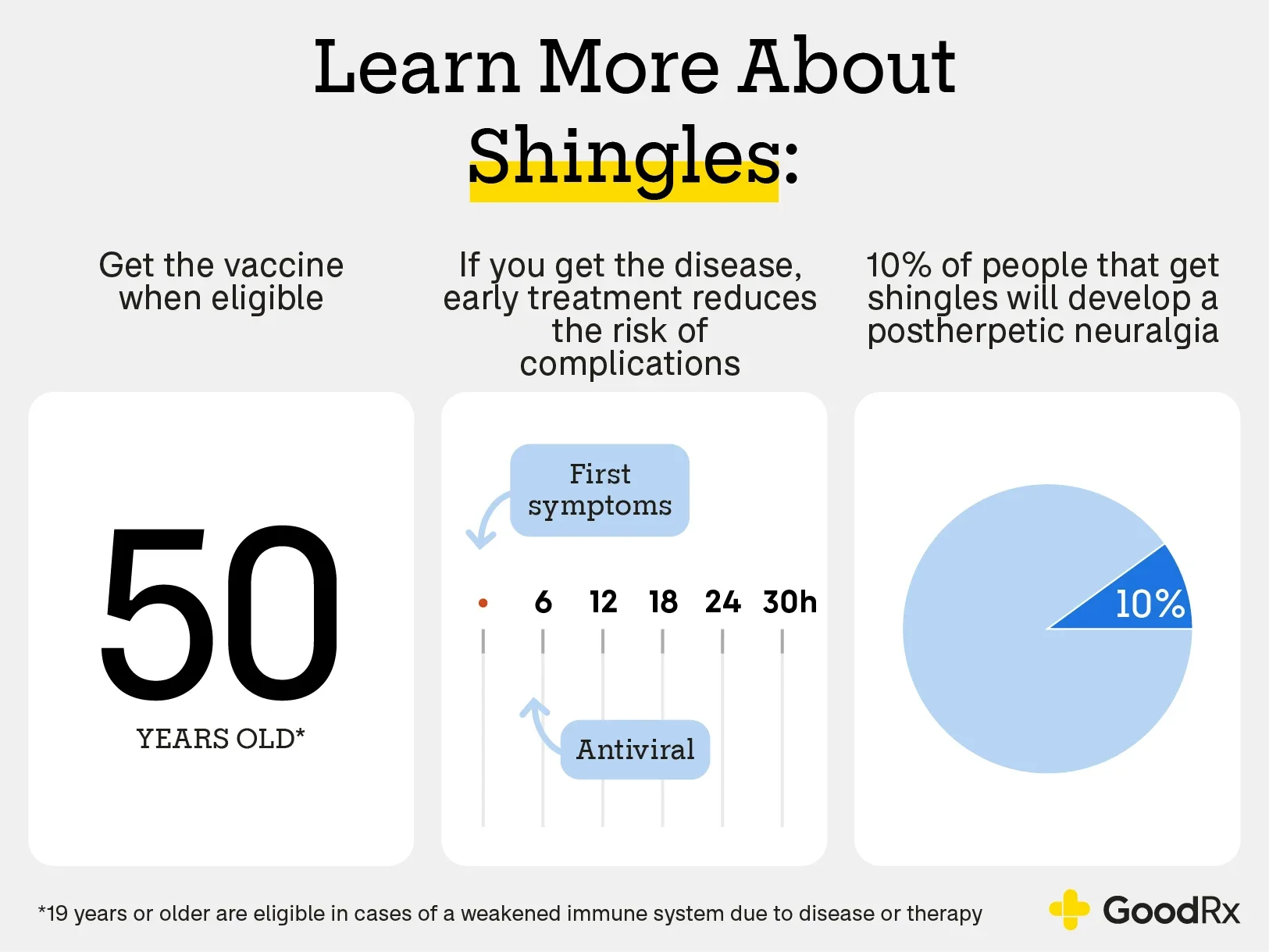
PHN occurs in 10 to 18 percent of people who get shingles, according to the Centers of Disease Control and Prevention. People who get it describe it as a crippling and deep burning, itching, or stabbing pain under the skin where the shingles rash was.
PHN can also make you more sensitive to pain. In some cases, it can get to the point that even wind or light seems to hurt. Over-the-counter medicines like acetaminophen or ibuprofen generally don’t cut it for treating this pain.
Some treatments for PHN include lidocaine patches to locally numb the area. Other options include antidepressants, opioids, and antiepileptic drugs. However, patients often find the side effects from these aren’t worth it, and opioids only provide short-term relief due to the risk of dependence.
You can’t prevent PHN entirely, but you can lower your risk. The key is to recognize shingles early and start antiviral medications like Valtrex as soon as you can. Perhaps the most important factor is to get the shingles vaccine if you’re eligible. The shingles vaccine can help prevent shingles (of course), but even if you still get shingles after being vaccinated, your risk of PHN will be lower.
If you’re experiencing lingering pain that hinders your livelihood after shingles, talk to your doctor to find the right treatment for you.
This information is for informational purposes only and is not meant to be a substitute for professional medical advice, diagnosis or treatment. GoodRx is not offering advice, recommending or endorsing any specific prescription drug, pharmacy or other information on the site. GoodRx provides no warranty for any information. Please seek medical advice before starting, changing or terminating any medical treatment.
Prescription savings
Stop paying too much for your prescriptions. Compare prices, get pharmacy coupons, and save up to 80%.Resources
About GoodRx
 Find expert answers to your health questions so you can make the best decisions for yourself and your family.
Health conditions
Medications & treatment
Access & affordability
Well-being
Medication discounts


