VIDEO CENTER
Hidradenitis Suppurativa
Hidradenitis suppurativa (HS) is an inflammatory skin condition characterized by painful cysts and bumps that can flare from various triggers.

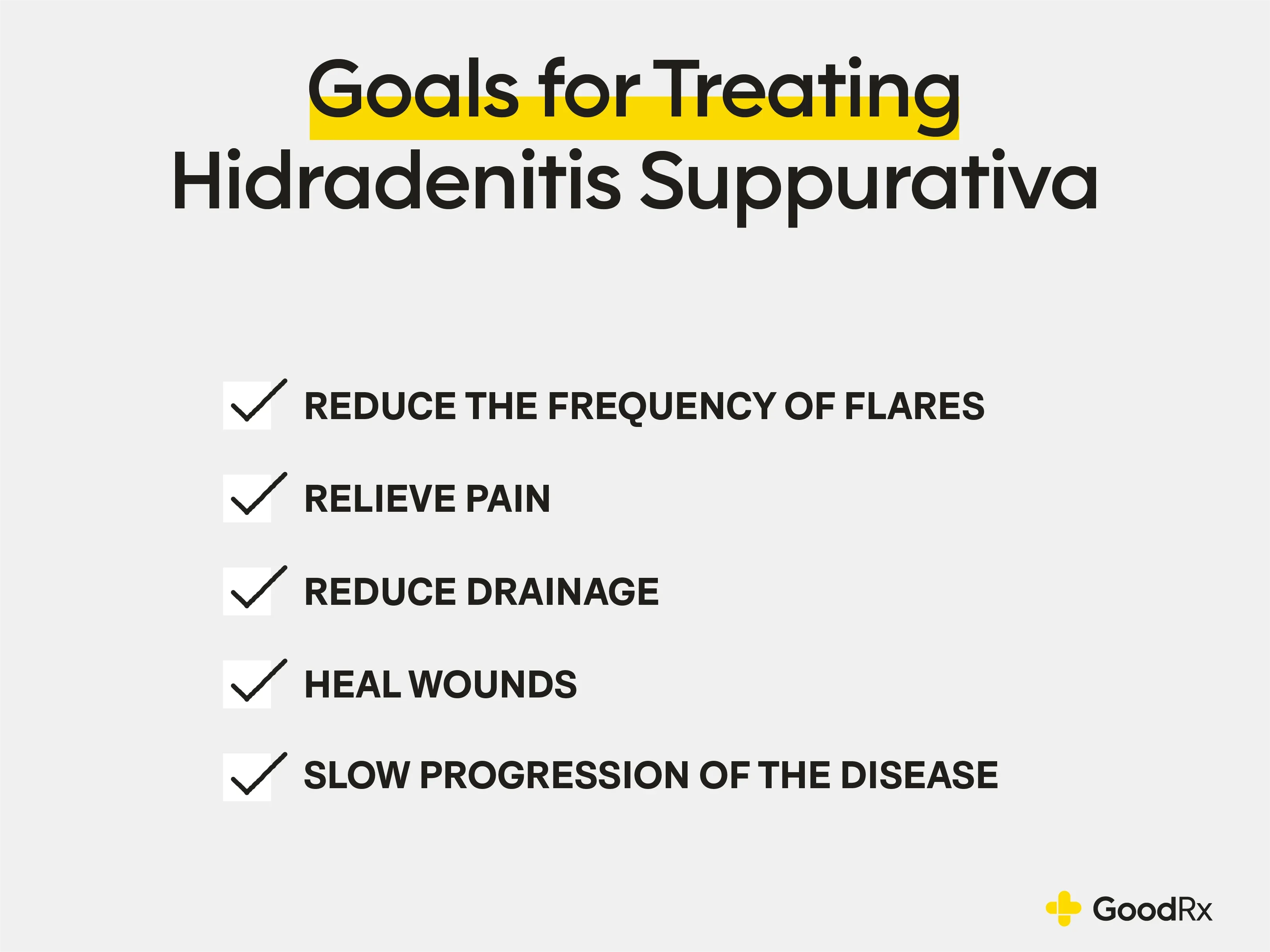
Real talk: Hidradenitis suppurativa (HS) — an inflammatory skin condition characterized by painful cysts and bumps — is no fun. The breakouts can be terribly painful, can rupture and leak, and if you don’t care for them properly, can scar and lead to infection. That’s why it’s critical for patients to know how to treat HS wounds effectively, so you can minimize pain, help them heal fast, and keep them from getting worse. Here are a dermatologist’s tips for caring for hidradenitis suppurativa wounds the right way.
“Whatever you do, do not squeeze, do not pop — it will just increase the inflammation and slow down the healing process,” says Hirshel Kahn, MD, a dermatologist at The Mount Sinai Hospital. Sure, it’s tempting, but contrary to what some believe (just like these hidradenitis suppurativa myths), opening or squeezing wounds to clear out the material will not speed up the healing process. In fact, squeezing the HS cyst will often lead it to rupture deeper down, says Dr. Kahn.
Proper hygiene can speed up the wound-healing process and help reduce pain, inflammation, and infection. Keep skin clean, cool, and dry, and minimize bacteria on wounds with these strategies:
1. Use a mild, gentle cleanser. When bathing, wash gently with an antibacterial or antiseptic non-soap cleanser to help minimize germs. Avoid using a washcloth, brush, or anything that’s going to irritate the skin’s surface, says Dr. Kahn.
2. Apply warm water compresses. For acute HS flare-ups, run a clean washcloth under hot water and place it gently on the affected area for about 10 minutes. Warm water compresses can help decrease inflammation and bring pus to the surface, says Dr. Kahn.
3. Try a diluted bleach bath to kill bacteria. If bacteria tend to colonize on your skin, your dermatologist may recommend that you take five- or 10-minute diluted bleach baths (full bath mixed with ½ cup of bleach) at home. Bleach is antibacterial, so it helps treat bacteria within the lesions and on the skin’s surface that may settle into the area and cause it to become more inflamed, says Dr. Kahn. When drying off, gently blot the affected area with a smooth, soft towel.
4. Apply antibiotic cream and dress the wound. After you’re clean and dry, apply a thin film of antibiotic cream to the affected area and wrap with a non-stick dressing (so it doesn’t disrupt the healing process when removed). The type of non-stick dressing you choose depends on the location, severity, type, and amount of fluid coming from the wound. For surface wounds, plain absorptive dressings can be used, but for deeper wounds the dressing needs to be thick and absorbent enough to fill the affected area and absorb all the fluid. It’s also important that the dressing is applied properly so it doesn’t rub against the skin and irritate the wound.
“Pain relief is very important, because that is one of the most bothersome aspects of this disease,” says Dr. Kahn. For pain relief, you can take over-the-counter anti-inflammatory medication, like ibuprofen, or stronger doctor-prescribed anti-inflammatories if needed. “Taking ibuprofen three to four times a day when these [HS wounds] are very flared up is very important — it’s part of the whole treatment process for this condition,” says Dr. Kahn.
As important as it is to know how to take care of your HS wounds yourself, you should keep your doctor in the loop. “If patients are having a flare up they should certainly call their doctor and be seen. Trying to take care of it at home without having additional help is not going to clear it up very fast.” It may take a week or two for a hidradenitis suppurativa wound to heal, and often times may only do so with the help of treatment from an oral antibiotic or shot of cortisone into the area, says Dr. Kahn.
Treating an HS wound incorrectly could lead to more infection, or cause underlying cellulitis, which a deeper infection of the skin and could lead to permanent scarring.
This information is for informational purposes only and is not meant to be a substitute for professional medical advice, diagnosis or treatment. GoodRx is not offering advice, recommending or endorsing any specific prescription drug, pharmacy or other information on the site. GoodRx provides no warranty for any information. Please seek medical advice before starting, changing or terminating any medical treatment.
Prescription savings
Stop paying too much for your prescriptions. Compare prices, get pharmacy coupons, and save up to 80%.Resources
About GoodRx
 Find expert answers to your health questions so you can make the best decisions for yourself and your family.
Health conditions
Medications & treatment
Access & affordability
Well-being
Medication discounts


