VIDEO CENTER
Heart Disease
Knowing your individual risk factors for heart disease is one of the most important steps you can take to prevent a heart attack or other cardiac issue.

In general, healthy habits may play a role in supporting your overall well-being. Staying active, getting enough sleep, and feeling nourished may improve your mood and energy. If you have a chronic condition like hypertrophic cardiomyopathy (HCM), taking care of yourself may help lessen the impact of symptoms.
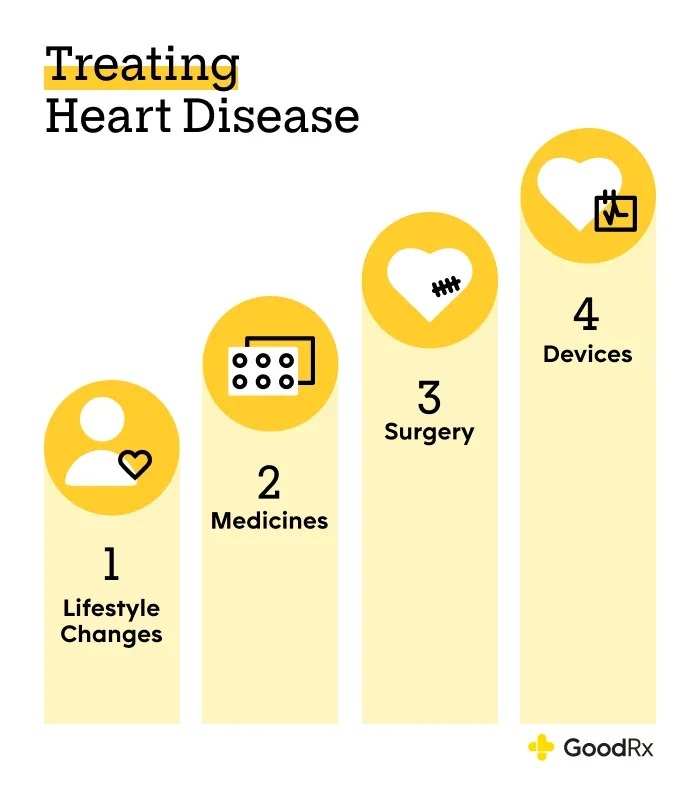
Beyond that, certain lifestyle changes may actually be a critical part of your treatment. Being mindful of your habits may help reduce your risk of HCM complications, such as sudden cardiac death.
Regular physical activity has many health benefits, especially for heart health. It may help by:
Lowering blood pressure
Improving cholesterol levels
Improving your blood circulation
Reducing your risk of heart disease and stroke
However, experts typically recommend avoiding intense exercise and competitive sports if you have hypertrophic cardiomyopathy. This may put too much strain on the heart, leading to shortness of breath, dizziness, or even sudden cardiac arrest.
Your doctor and cardiologist can help you find the right amount of exercise so you can get the health benefits without the risks. They may recommend gentle exercise, such as walking or yoga.
Other important habits to stick to when you have hypertrophic cardiomyopathy include:
Staying hydrated: Dehydration may trigger HCM symptoms and worsen the condition.
Eating a nutritious diet: A heart-healthy diet may lower your risk of other cardiovascular issues, such as high blood pressure and high cholesterol.
Maintaining a healthy weight: Living with extra weight may require the heart to work harder. This may worsen HCM symptoms.
Getting enough sleep: Not getting enough sleep at night may increase your risk of high blood pressure, according to the CDC.
Managing stress: Being stressed or anxious may affect hormones, inflammation, and metabolism. It may also influence you to engage in habits that may affect the heart, such as overeating, skipping medications, or using substances.
Not smoking: Smoking cigarettes contaminates your blood and damages your blood vessels and heart muscles. It may cause high blood pressure, which would make the heart work harder to pump blood.
Making changes to your everyday habits can be challenging. You might also feel confused about how to eat a healthy diet, for example. It may also be a struggle to quit smoking or cut back on alcohol.
Your doctor and cardiologist are a great place to start. They know what’s recommended based on your health history, but they can also refer you to other experts. For example, it may help to meet with a registered dietitian who is familiar with heart disease. They can teach you how to build a heart-healthy diet based on your culture, preferences, and budget.
In other words, you don’t need to do it alone. Your care team is there for a reason, and they’re eager to help you feel your best.
This information is for informational purposes only and is not meant to be a substitute for professional medical advice, diagnosis or treatment. GoodRx is not offering advice, recommending or endorsing any specific prescription drug, pharmacy or other information on the site. GoodRx provides no warranty for any information. Please seek medical advice before starting, changing or terminating any medical treatment.
Prescription savings
Stop paying too much for your prescriptions. Compare prices, get pharmacy coupons, and save up to 80%.Resources
About GoodRx
 Find expert answers to your health questions so you can make the best decisions for yourself and your family.
Health conditions
Medications & treatment
Access & affordability
Well-being
Medication discounts


