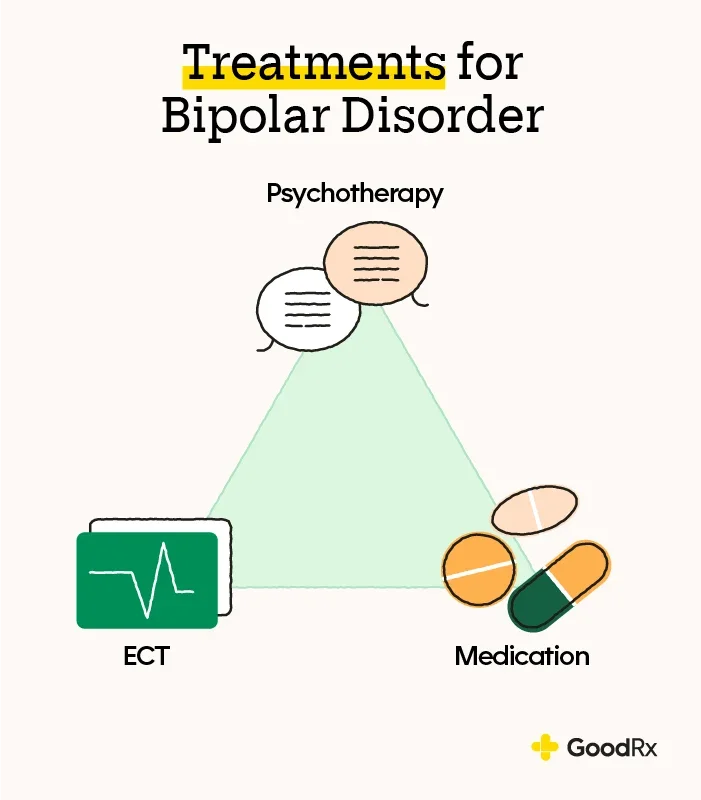
Living with any mental illness can really take a toll on your quality of life. Without treatment, people may suffer from crippling symptoms that affect their families, relationships, and careers. Luckily, treatment can usually help people get control of their lives and prevent serious problems. This is especially true when it comes to treating bipolar disorder.
Bipolar disorder causes symptoms that can threaten people’s health, safety, and quality of life. In some cases, it can even threaten their lives. In the long term, untreated bipolar disorder can also have lasting effects on overall brain function and coping.
Manic episodes can cause reckless behavior, including:
Binge-drinking
Dangerous driving, such as speeding and drunk-driving
Impulsive and excessive spending
Risky sex
Overeating
These can lead to legal battles, financial trouble, injuries, broken relationships, lost jobs, and even death — to the individual or to others. These consequences could increase stress and worsen mental health. The risks are so high that doctors generally recommend quick hospitalization for people having a manic episode.
To prevent manic episodes, people with bipolar disorder often get different treatment than people with depression. That is because standard antidepressants can sometimes increase the risk of manic episodes. Instead, treating bipolar disorder often includes mood-stabilizing medicines.
Even if someone rarely has manic episodes, untreated bipolar disorder can still be devastating. Depression increases the risk of:
Self-harm or destructive behaviors
Substance misuse (including alcohol use disorder)
Suicide rates are higher among people with bipolar disorder compared to the general population. It is important to know that suicide is generally preventable. Prevention can include having a good support system, but also treating underlying conditions.
Treating bipolar disorder can help prevent self-harm and suicidal ideation by providing:
“Antimanic” medications that treat manic episodes. This helps prevent the dangerous behavior that can have serious consequences and increase stress
Mood-stabilizing medicines that reduce the severity of depressive symptoms and prevent manic episodes
Psychotherapy that helps teach healthy ways to cope with challenging and negative thoughts and behaviors
A professional care team and support system
If you or a loved one are having thoughts of suicide, go to the nearest emergency room or call the Suicide and Crisis Lifeline 24 hours a day at 988.

This information is for informational purposes only and is not meant to be a substitute for professional medical advice, diagnosis or treatment. GoodRx is not offering advice, recommending or endorsing any specific prescription drug, pharmacy or other information on the site. GoodRx provides no warranty for any information. Please seek medical advice before starting, changing or terminating any medical treatment.
Prescription savings
Stop paying too much for your prescriptions. Compare prices, get pharmacy coupons, and save up to 80%.Resources
About GoodRx
Health conditions
Medications & treatment
Access & affordability
Well-being
Medication discounts