


Is Your Medication Causing Dry Mouth?
Dry mouth isn’t just an annoyance, it can lead to serious dental issues if left untreated. Read on to see which medications are most likely to cause dry mouth.
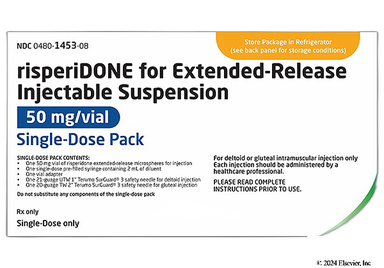
Risperdal Consta (risperidone) is an atypical antipsychotic that's used to treat schizophrenia and bipolar type 1 disorder in adults. It's a long-acting injection that's given into the muscle by a healthcare provider every 2 weeks. Possible side effects include headache and movement problems.

Risperdal Consta (risperidone) is an atypical antipsychotic. It's not completely known how Risperdal Consta (risperidone) works. But it's thought to work by balancing out the levels of chemicals (dopamine and serotonin) in your brain to help control your thoughts, mood, and behaviors.
| Common Brands | Risperdal Consta |
|---|---|
| Drug Class | Atypical antipsychotic |
| Controlled Substance Classification | Not a controlled medication |
| Generic Status | No lower-cost generic available |
| Availability | Prescription only |

The following side effects may get better over time as your body gets used to the medication. Let your healthcare provider know immediately if you continue to experience these symptoms or if they worsen over time.
Note: Side effects listed were reported by people taking this medication for bipolar in clinical studies. Side effects you experience might differ if you're taking this medication for a different condition.
Contact your healthcare provider immediately if you experience any of the following.
Side effects that you should report to your care team as soon as possible:
Side effects that usually do not require medical attention (report to your care team if they continue or are bothersome):




Risperdal Consta (risperidone) can cause some serious health issues. This risk may be even higher for certain groups. If this worries you, talk to your doctor or pharmacist about other options.
 People over the age of 65 who also have dementia sometimes have some of the symptoms of schizophrenia, like hallucinations and delusions. This is called dementia-related psychosis, and it shouldn't be treated with Risperdal Consta (risperidone). Clinical studies found that older adults with dementia-related psychosis who take antipsychotic medications like Risperdal Consta (risperidone) have a higher risk of death. In studies, the causes of death were often linked to heart problems, stroke, or infections. Let your provider know if you or your loved one has dementia before treatment starts.
Taking antipsychotic medications like Risperdal Consta (risperidone) can cause a rare, but life-threatening condition called neuroleptic malignant syndrome. Symptoms include fever, sweating, stiff muscles, confusion, not aware of your surroundings, and fast or irregular heartbeat. Get medical attention as soon as possible if you have any of these symptoms while you're taking Risperdal Consta (risperidone). You might need to stop taking Risperdal Consta (risperidone) and switch to a different medication.
Risperdal Consta (risperidone) can cause uncontrolled and possibly permanent muscle movements in the tongue, face, mouth, lips, neck, hands, arms, legs, and feet (tardive dyskinesia). To lower your risk of tardive dyskinesia, your provider will give you the lowest dose possible for the shortest period of time for your symptoms. Stop taking Risperdal Consta (risperidone) and talk to your provider right away if you notice any unusual movements that you can't control.
Risperdal Consta (risperidone) can raise your blood sugar and cholesterol levels. This medication can also lead to weight gain. Your provider will regularly order blood tests throughout treatment with Risperdal Consta (risperidone) to make sure your blood sugar and cholesterol aren't too high. Make sure to follow a balanced diet that's low in fat and sugar and keep a regular exercise routine while you're taking Risperdal Consta (risperidone).
Risperdal Consta (risperidone) can cause prolactin hormone levels in your blood to go up. High prolactin levels can lead to symptoms such as milky discharge from the nipple, enlarged breasts, and absent or irregular menstrual periods. Talk to your healthcare provider if you experience or have any concerns about these symptoms.
Risperdal Consta (risperidone) can make you tired, lower your blood pressure when you stand up, or cause you to lose your balance. This can lead to falls and accidental injuries. Make sure to get up slowly and hold onto something when you stand from a sitting or lying position. Contact your provider if you experience a fall while you're taking Risperdal Consta (risperidone).
Though rare, Risperdal Consta (risperidone) can lower your white blood cell counts (WBCs) and put you at risk for developing infections. You might need to get blood tests done regularly during the first few months of taking Risperdal Consta (risperidone) so your provider can make sure your WBCs are in a safe range. If your WBC count drops too low, you'll probably need to stop taking Risperdal Consta (risperidone). Contact your provider right away if you have any signs of infection, such as fever, tiredness, chills, cough, or trouble breathing, and they don't go away.
Risperdal Consta (risperidone) can cause extreme sleepiness and lower your ability to think, react, and focus. Your risk is higher if you're also taking other medications that can cause drowsiness, such as benzodiazepines, anxiety medications, muscle relaxants, and sleep medications. Make sure you know how this medication affects you before driving a car or doing activities that require your concentration. Talk to your healthcare provider right away if you feel too sleepy from Risperdal Consta (risperidone).
Though rare, some people who took Risperdal Consta (risperidone) had seizures. Before starting this medication, tell your provider if you've had seizures in the past or have a medical condition that raises your risk for seizures.
Although rare, some people who took Risperdal Consta (risperidone) reported having prolonged and painful erections, which sometimes required surgery to treat. Get medical attention right away if you develop a prolonged erection that lasts longer than 4 hours.

You'll take Risperdal Consta (risperidone) with oral risperidone (Risperdal) for the first 3 weeks of treatment as you wait for Risperdal Consta (risperidone) to kick in.
The typical dose for Risperdal Consta (risperidone) is 25 mg injected into the muscle of the upper arm or buttocks every 2 weeks. The maximum dose is 50 mg every 2 weeks.
Your dose might differ if you have kidney or liver problems or if you're taking a medication that interacts with Risperdal Consta (risperidone).


Contraindications are specific health conditions or situations in which a person should not take a medication due to safety concerns. If you have any of the following conditions or if any of the following apply to you, let your healthcare provider know because Risperdal Consta (risperidone) will not be safe for you to take.








Prescription savings
Stop paying too much for your prescriptions. Compare prices, get pharmacy coupons, and save up to 80%.Resources
About GoodRx
 Find expert answers to your health questions so you can make the best decisions for yourself and your family.
Health conditions
Medications & treatment
Access & affordability
Well-being
Medication discounts

Yes, Risperdal Consta should be stored in the refrigerator and kept in its original container to protect it from light. If it isn't possible to refrigerate the medication, it can be stored at room temperature (up to 77°F) for up to 7 days. You'll typically get your Risperdal Consta injections at a provider's office, so you usually won't need to worry about keeping the medication at home.
Risperdal Consta is typically given once every 2 weeks (meaning every other week) rather than once every month. Talk to your provider if getting injections every 2 weeks isn't practical for you. Depending on your condition and your symptoms, your provider might consider other options for you, such as a different long-acting injectable antipsychotic.
It takes on average about 15 to 30 days for most of Risperdal Consta to leave your body after a single dose. This time frame is estimated based on the half-life of Risperdal Consta. It's important to note that this time frame can differ from person to person depending on other factors, such as your age and whether you have kidney or liver problems. Any side effects that you might have from Risperdal Consta might last up until the time it takes for the medication to clear out of your system.
Both Perseris and Risperdal Consta are long-acting, injectable medications containing the same active ingredient, risperidone. But they have some differences in which mental health problems they're approved for. Risperdal Consta is used to treat schizophrenia and bipolar disorder, but Perseris is only approved for schizophrenia. In addition, the two medications are taken differently. Risperdal Consta is given as an injection into the muscle every 2 weeks, whereas Perseris is given as an injection under the skin once per month. Ask your provider if you have more questions about the differences between these two medications.
In clinical studies, people taking Risperdal Consta for bipolar 1 disorder had fewer relapses than people not taking the medication. In these studies, some people were taking Risperdal Consta by itself and others were taking the medication along with valproic acid or lithium. Be sure to update your provider about how well Risperdal Consta is working to lessen relapses for you.
One of the most common side effects of Risperdal Consta reported during clinical studies is headache. Stay hydrated during the day and keep your stress level low to help lower your risk of headaches. You can also try using over-the-counter medications, like acetaminophen (Tylenol) or ibuprofen (Advil, Motrin), to help relieve the pain. Another common side effect of Risperdal Consta is having problems with movement, such as tremors (shakiness), muscle spasms, and not being able to sit still. Talk to your provider right away if you notice these movement problems during treatment. You might need to have your dose lowered, stop taking Risperdal Consta, or take additional medications like benztropine (Cogentin) to lessen your symptoms.
Talk to your provider about taking Risperdal Consta if you're pregnant or thinking of getting pregnant. Taking antipsychotic medications like Risperdal Consta during the third trimester of pregnancy can put newborns at risk for side effects like movement problems. Keep in mind that untreated schizophrenia or bipolar disorder can also be harmful to you. Your provider can discuss the risks and benefits of taking Risperdal Consta during pregnancy. If you're pregnant and you're taking this medication, it's recommended that you enroll in the National Pregnancy Registry for Atypical Antipsychotics so researchers can monitor you and your baby throughout treatment.
