







Chronic Urticaria: Causes, Symptoms, and Treatment
Chronic urticaria, or chronic hives, causes itchy red patches that recur for 6 weeks or longer. Learn about its causes, symptoms, and treatment.
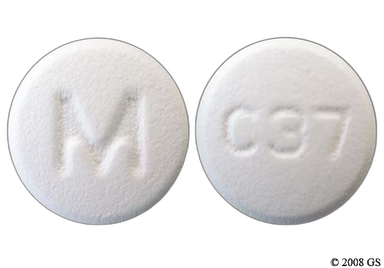
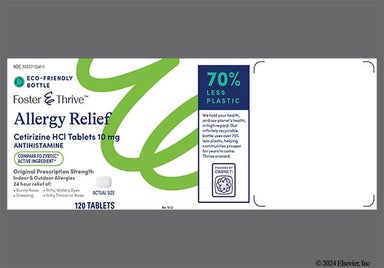
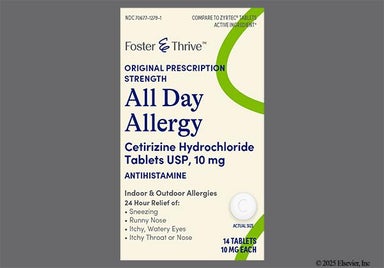
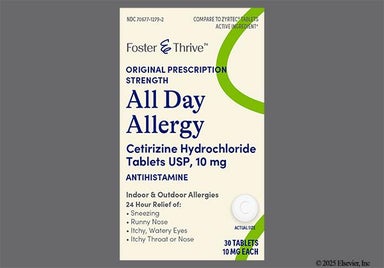
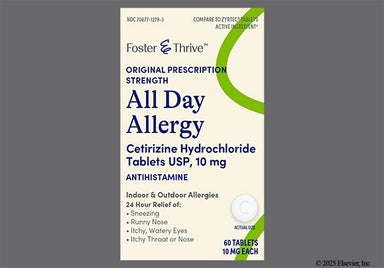
Cetirizine (Zyrtec) is an antihistamine. It's used for relief of allergy symptoms, such as runny nose or watery eyes, in adults and children. Cetirizine (Zyrtec) is also a safe option for people who are pregnant. This medication is available in different formulations, including tablets and liquid solutions. Typically, cetirizine (Zyrtec) is taken by mouth once per day. The most common side effect of cetirizine (Zyrtec) is sleepiness. But it's less likely to make you drowsy compared to some other antihistamines, such as diphenhydramine (Benadryl).

Cetirizine (Zyrtec) is a second-generation antihistamine. It blocks histamine, a natural chemical in your body that can cause allergy symptoms like itchiness, itchy eyes, or runny nose. By blocking histamine, cetirizine (Zyrtec) helps relieve allergy symptoms.
| Common Brands | Zyrtec |
|---|---|
| Drug Class | Antihistamine |
| Controlled Substance Classification | Not a controlled medication |
| Generic Status | Lower-cost generic available |
| Availability | Prescription or over-the-counter |

The following side effects may get better over time as your body gets used to the medication. Let your healthcare provider know immediately if you continue to experience these symptoms or if they worsen over time.
People 12 years of age and older:
Children age 6 to under 12 years:
People 12 years of age and older:
Children age 6 to under 12 years:
Contact your healthcare provider immediately if you experience any of the following.
Side effects that you should report to your care team as soon as possible:
Side effects that usually do not require medical attention (report these to your care team if they continue or are bothersome):




Cetirizine (Zyrtec) can cause some serious health issues. This risk may be even higher for certain groups. If this worries you, talk to your doctor or pharmacist about other options.
Cetirizine (Zyrtec) can make you sleepy, which can affect your ability to focus, think, or react. This side effect might be more likely to happen or more intense if you're over 65 years old, drink alcohol while taking cetirizine (Zyrtec), or take other medications that also cause sleepiness (e.g., opioids, certain anxiety medications, sleep medications). Don't drive or operate machinery until you know how this medication affects you.
Cetirizine (Zyrtec) and other antihistamines can be found in many over-the-counter products. Taking too much cetirizine (Zyrtec) or using more than one medication containing an antihistamine (including products used on the skin) can lead to an accidental overdose and cause serious side effects, such as seizures, hallucinations, or even death.
To prevent an accidental overdose, read package labels carefully. If you're not sure if a product has an antihistamine, ask your pharmacist. Don't start any new medications while taking cetirizine (Zyrtec) without talking to your healthcare team first. If you think you or your loved one has taken too much medication, get medical help right away or contact a Poison Control Center at 1-800-222-1222.

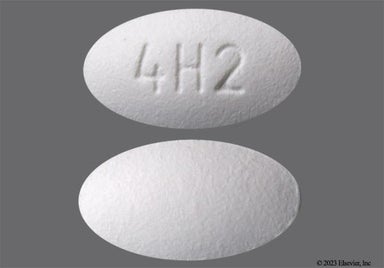
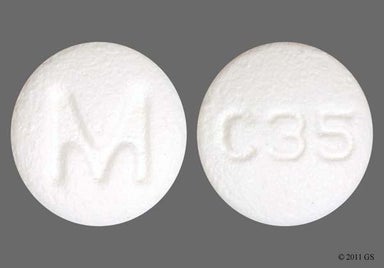
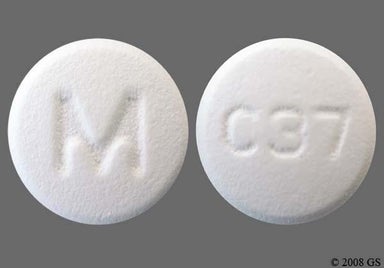
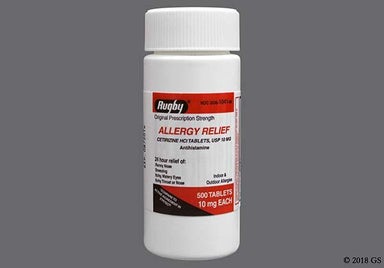
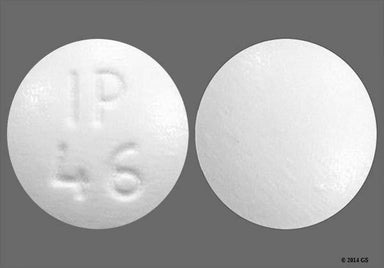
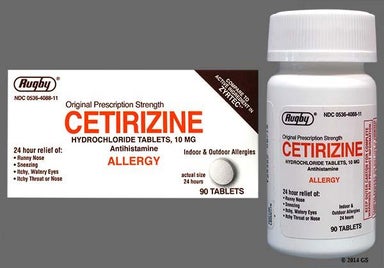
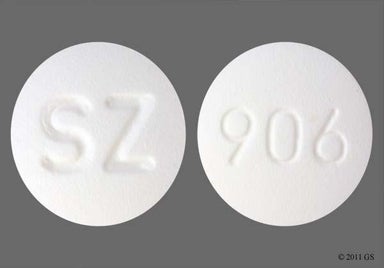
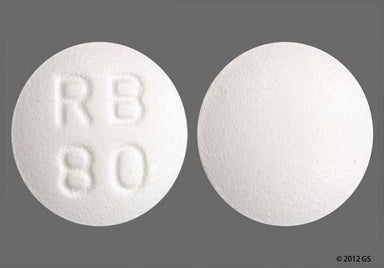
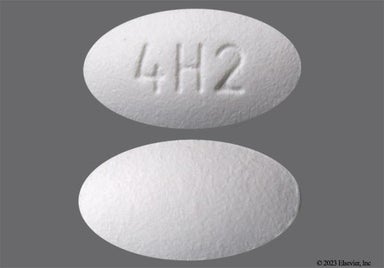
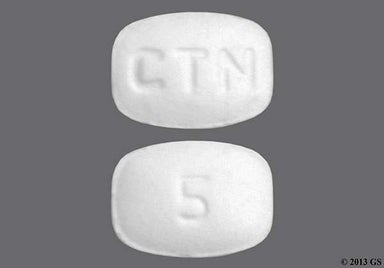
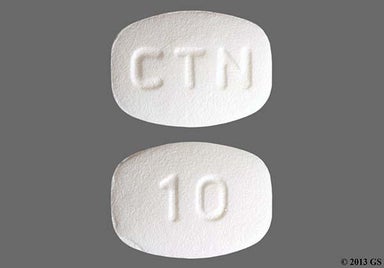
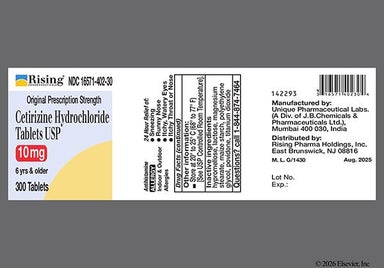
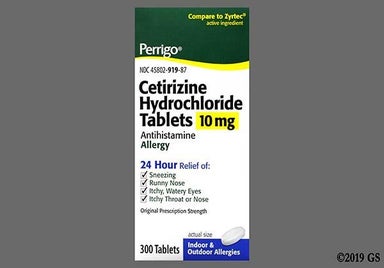
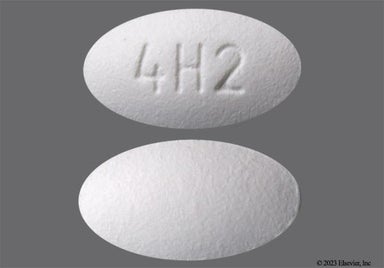
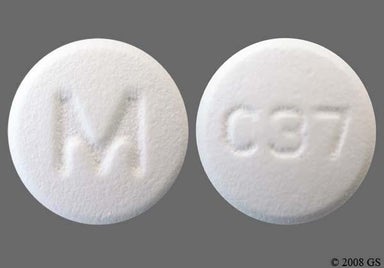
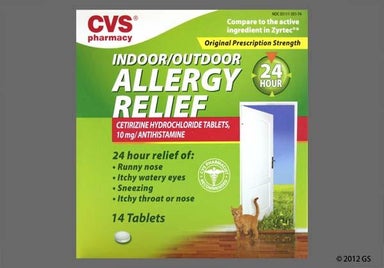
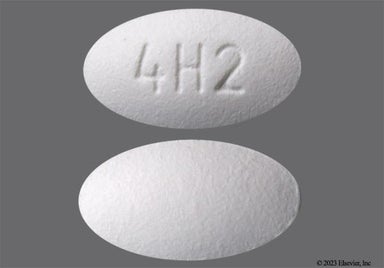
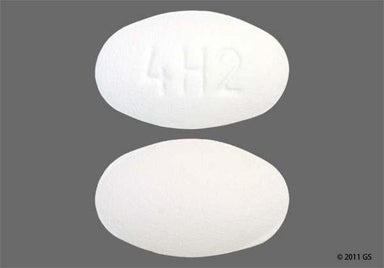
 Tablet
| Dosage | Quantity | Price as low as | Price per unit |
|---|---|---|---|
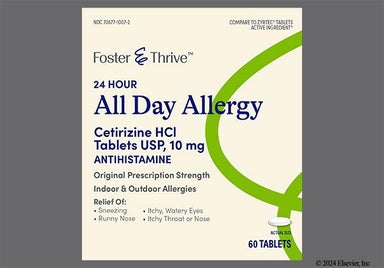
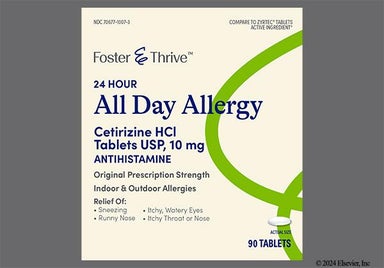
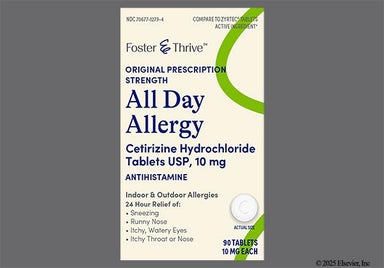
| 24 hour of 10mg | 90 tablets | $8.13 | $0.09 |
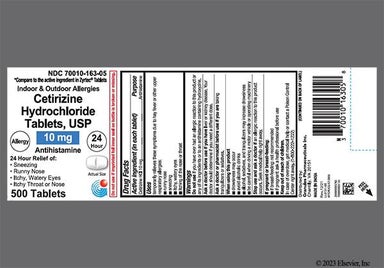
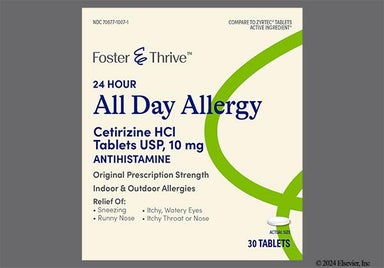
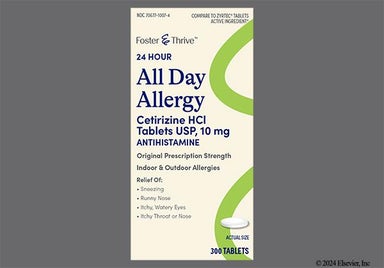
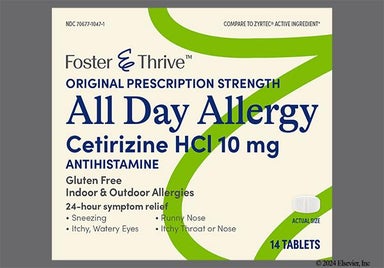
This medication comes in many different formulations, like tablets, chewable tablets, capsules, orally disintegrating tablets, and oral liquids. Depending on the manufacturer and formulation, your medication can have different amounts of cetirizine in each dose and age cut-offs for use.
The directions can be different depending on the product you have. Be sure to check the medication box for specific instructions. In general:
Pills (including chewable and orally disintegrating tablets): The tablets and capsules are swallowed whole, the chewable tablets are chewed, and the orally disintegrating tablets are dissolved on your tongue.
Oral liquids
Your dose might differ if you have liver or kidney problems.

GoodRx has partnered with to provide reviews on the different aspects of Cetirizine (Zyrtec).
Learn more about the effectiveness of Cetirizine (Zyrtec) based on real life experiences.
Based on 173 people taking this medication
3
3.7
3.7
3.6
2.3
1.7
Severity of side effects
Based on 344 people taking this medication
0%
50%
100%
Drowsiness
6%
Dry mouth
5%
Sleepiness
4%
Excessive daytime sleepiness (somnolence)
2%
Fatigue
1%
Reasons people stopped taking Cetirizine (Zyrtec)
Based on 258 people who have taken this medication
Did not seem to work
32%
Other
21%
Doctor's advice
14%
Side effects too severe
12%
Course of treatment ended
11%
Expense
9%
Personal research
3%
Change in health plan coverage
2%
How long people take Cetirizine (Zyrtec)
Based on 878 people who have taken this medication
0%
50%
100%


Contraindications are specific health conditions or situations in which a person should not take a medication due to safety concerns. If you have any of the following conditions or if any of the following apply to you, let your healthcare provider know because Cetirizine (Zyrtec) will not be safe for you to take.










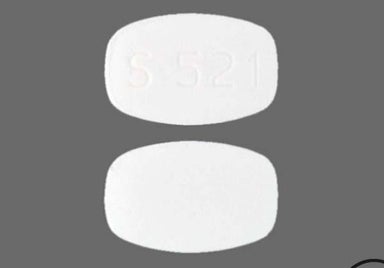
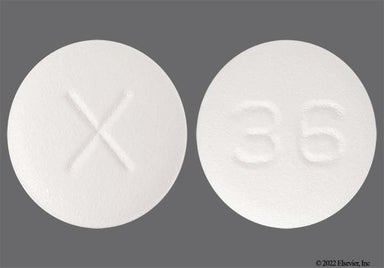
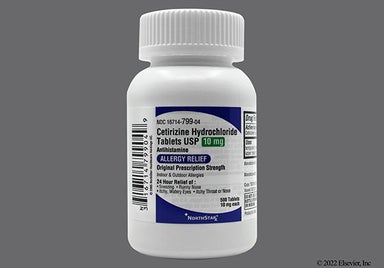
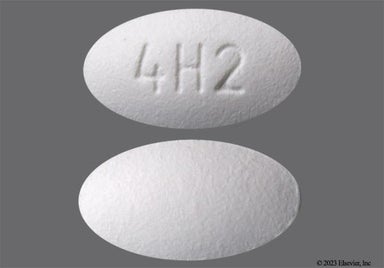
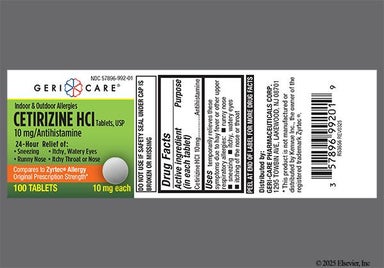
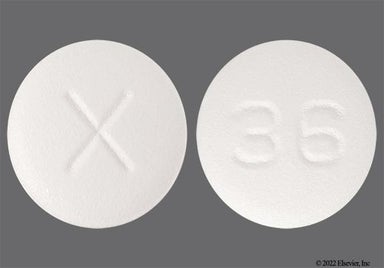
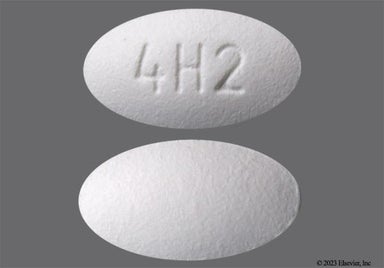
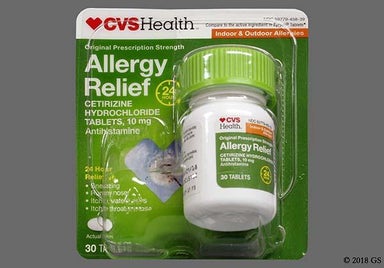
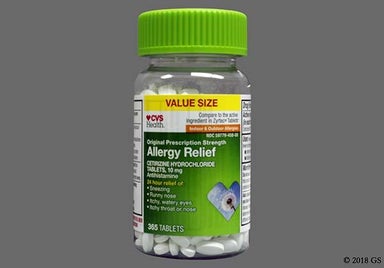
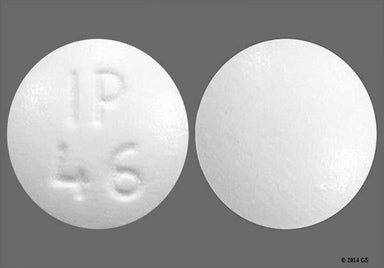
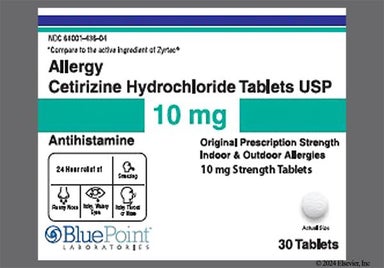
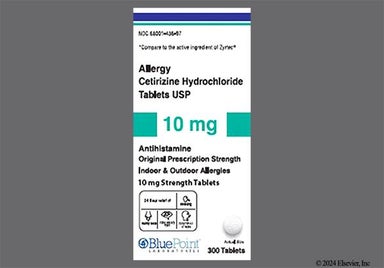

Prescription savings
Stop paying too much for your prescriptions. Compare prices, get pharmacy coupons, and save up to 80%. Find expert answers to your health questions so you can make the best decisions for yourself and your family.
Health conditions
Medications & treatment
Access & affordability
Medication discounts


It takes about 20 to 60 minutes for Cetirizine to start working and lasts all day.
Cetirizine is typically taken just once a day because the effects of a single dose should last 24 hours. Don't take it twice a day unless a healthcare professional specifically told you to do so.
Yes, Cetirizine can make you feel drowsy or tired. But this medication isn't as likely to cause drowsiness as some other antihistamines, such as diphenhydramine (Benadryl). This is because Cetirizine is a second-generation antihistamine that isn't as likely to cross into the brain compared to first-generation antihistamines. Let your primary care provider or pharmacist know if Cetirizine is making you too drowsy to go about your day. They might ask you to consider other options.
No, high blood pressure isn't a known side effect of Cetirizine alone. But cetirizine is often found in many over-the-counter combination products. Some of these combination products have other medications that can raise your blood pressure, such as pseudoephedrine (Sudafed) (e.g., Zyrtec-D (cetirizine / pseudoephedrine). Ask your pharmacist if you're not sure if a particular cetirizine product has other ingredients that might raise blood pressure.
No, you should avoid taking Cetirizine and diphenhydramine (Benadryl) together, unless instructed by your primary care provider. They're both antihistamines and taking them together raises your risk of side effects, such as drowsiness, dry mouth, and dizziness. If you want to switch from Cetirizine to diphenhydramine (Benadryl), start diphenhydramine (Benadryl) at least 24 hours after your last Cetirizine dose.
In general, you can take pseudoephedrine (Sudafed) with Cetirizine if you're also experiencing sinus or nasal congestion. In fact, there's a combination product called Zyrtec-D that combines both cetirizine and pseudoephedrine in a single pill for convenience. But pseudoephedrine (Sudafed) isn't safe for everyone, especially for people who've certain medical conditions, like high blood pressure or heart problems. Check in with your primary care provider to make sure it's safe for you to take both pseudoephedrine (Sudafed) and Cetirizine.
Based on limited studies, antihistamines like Cetirizine don't appear to cause serious harm to breastfed babies. If you're breastfeeding, discuss with your gynecologist about the risks and benefits of using Cetirizine to make sure it's safe for you and your baby.
Yes, certain liquid prescription Cetirizine is FDA-approved to treat long-term (chronic) hives. Certain OTC Cetirizine liquid solution is labeled to also treat hives. If you have had hives in the past, ask your primary care provider to see if Cetirizine is a good option for you.
