



Which Pain Reliever Is Best for Back Pain? OTC, Prescription, and Natural Remedies
Nonsteroidal anti-inflammatory drugs (NSAIDs) like ibuprofen (Advil) and naproxen (Aleve) can help reduce back pain.
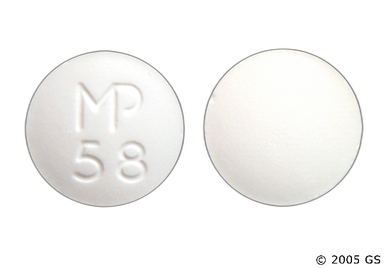
Carisoprodol (Soma) is a muscle relaxant that's used to treat muscle pain and discomfort in people ages 16 to 64. The tablets are approved for short-term treatment only and should only be taken for up to 2 to 3 weeks. Researchers think the medication relaxes muscles by changing nerve activity in your nervous system. Carisoprodol (Soma) is a controlled substance because it has a risk for misuse and dependence. Common side effects include headaches, dizziness, and sleepiness.

Carisoprodol (Soma) is a muscle relaxant. The way it works to relieve muscle tension isn't well-understood. But the medication is thought to relax muscles by affecting the nerve activity in the brain and spinal cord.
| Common Brands | Soma |
|---|---|
| Drug Class | Muscle relaxant |
| Controlled Substance Classification | Schedule IV |
| Generic Status | Lower-cost generic available |
| Availability | Prescription only |

Carisoprodol (Soma) can cause some serious health issues. This risk may be even higher for certain groups. If this worries you, talk to your doctor or pharmacist about other options.
Taking carisoprodol (Soma) can make you feel sleepy and have trouble concentrating or focusing. This is more likely to happen if you're over age 65 or if you take other medications that cause drowsiness. Don't drink alcohol while you're taking carisoprodol (Soma). Avoid activities that require you to be alert, like driving or operating machinery, until you know how this medication affects you.
Only take carisoprodol (Soma) as instructed by your prescriber. Carisoprodol (Soma) has a risk for misuse. Misuse raises the risk for serious and life-threatening issues like having too much medication in the body and very slow breathing.
In addition, people who take carisoprodol (Soma) for a longer time than recommended are at higher risk for dependence. And people who suddenly stop carisoprodol (Soma) after taking it regularly might have symptoms of withdrawal, including trouble sleeping, stomach cramps, headache, and hallucinations (seeing or hearing things that aren't there). Ask your prescriber about how to safely stop taking carisoprodol (Soma).
Though rare, some people who've taken carisoprodol (Soma) have had seizures. Most of these people either took too much medication (an overdose) or took their regular dose of carisoprodol (Soma) at the same time as alcohol or other habit-forming substances, such as opioids, benzodiazepines, or sleep aids.
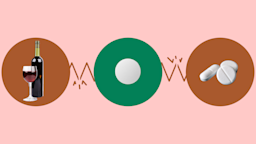
Avoid alcohol until you're no longer taking carisoprodol (Soma). Ask your prescriber or pharmacist about how to safely take carisoprodol (Soma) with your other medications if they also have a risk for becoming habit-forming. Your prescriber might decide to choose a different muscle relaxer to be safe.

The following side effects may get better over time as your body gets used to the medication. Let your healthcare provider know immediately if you continue to experience these symptoms or if they worsen over time.
Contact your healthcare provider immediately if you experience any of the following.
Along with its needed effects, a medicine may cause some unwanted effects. Although not all of these side effects may occur, if they do occur they may need medical attention.
Check with your doctor immediately if any of the following side effects occur:
Incidence not known
Black, tarry stools
chills
cold sweats
confusion
convulsions
dizziness, faintness, or lightheadedness when getting up suddenly from a lying or sitting position
fast, pounding, or irregular heartbeat or pulse
loss of bladder control
muscle spasm or jerking of all extremities
painful or difficult urination
shortness of breath
sores, ulcers, or white spots on the lips or in the mouth
sudden loss of consciousness
swollen glands
unusual bleeding or bruising
unusual tiredness or weakness
Get emergency help immediately if any of the following symptoms of overdose occur:
Symptoms of overdose
Bigger, dilated, or enlarged pupils (black part of the eye)
blurred vision
change in consciousness
confusion as to time, place, or person
difficult or troubled breathing
false or unusual sense of well-being
hallucinations
headache
holding false beliefs that cannot be changed by fact
inability to move the eyes
increased blinking or spasms of the eyelid
increased sensitivity of the eyes to light
irregular, fast or slow, or shallow breathing
loss of consciousness
muscle stiffness or tightness
pale or blue lips, fingernails, or skin
sticking out of the tongue
trouble with breathing, speaking, or swallowing
uncontrolled eye movements
uncontrolled twisting movements of the neck, trunk, arms, or legs
unusual excitement, nervousness, or restlessness
unusual facial expressions
weakness of the arms and legs
Some side effects may occur that usually do not need medical attention. These side effects may go away during treatment as your body adjusts to the medicine. Also, your health care professional may be able to tell you about ways to prevent or reduce some of these side effects. Check with your health care professional if any of the following side effects continue or are bothersome or if you have any questions about them:
More common
Drowsiness
Incidence not known
deep or fast breathing with dizziness
face is warm or hot to touch
fainting feeling of constant movement of self or surroundings
irritability
nervousness
numbness of the feet, hands, and around the mouth
pain or discomfort in the chest, upper stomach, or throat
redness to face
restlessness
sensation of spinning
shakiness and unsteady walk
trouble sleeping
unable to sleep
unsteadiness, trembling, or other problems with muscle control or coordination
vomiting
Other side effects not listed may also occur in some patients. If you notice any other effects, check with your healthcare professional.
Call your doctor for medical advice about side effects. You may report side effects to the FDA at 1-800-FDA-1088.




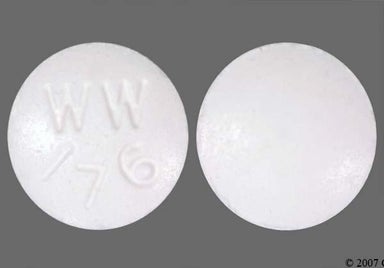
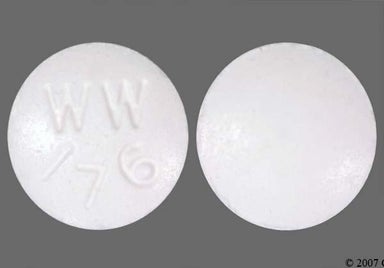
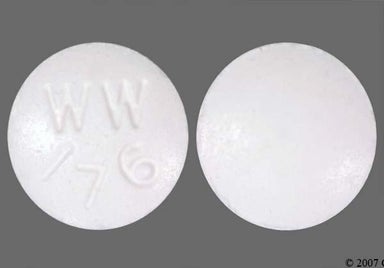
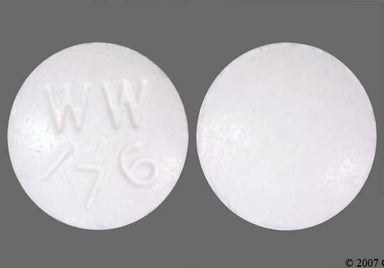
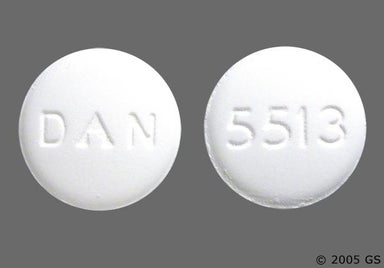
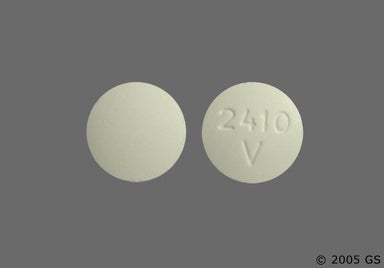
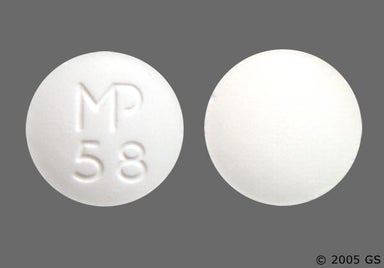
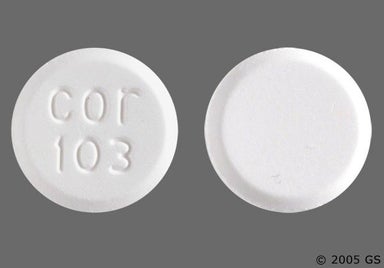
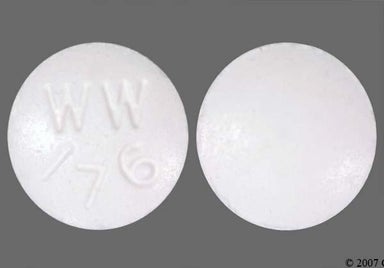
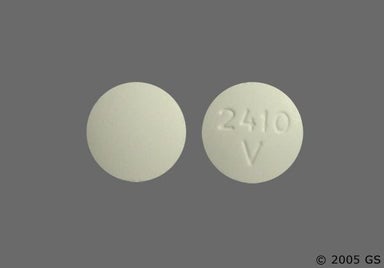
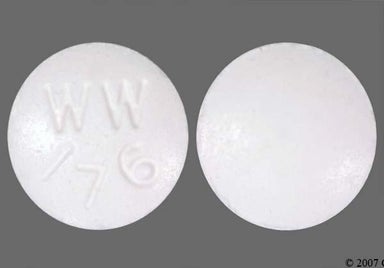
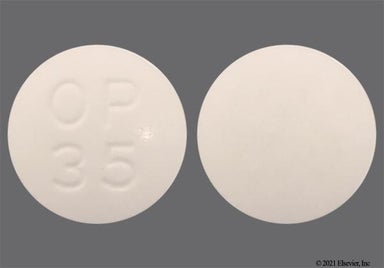
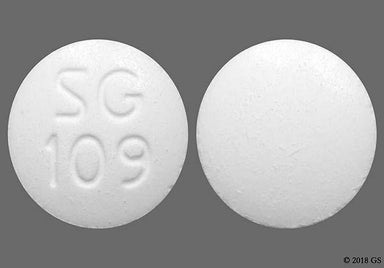
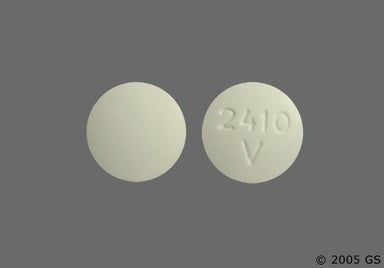
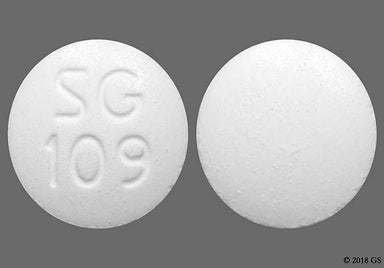
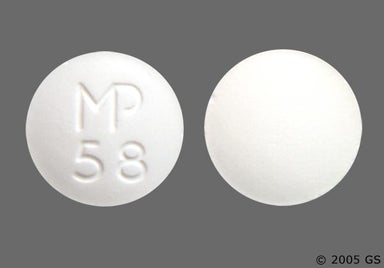
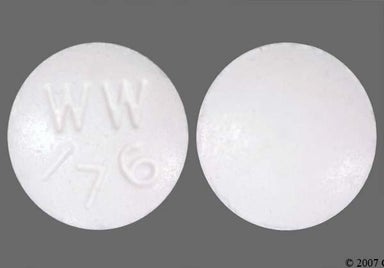
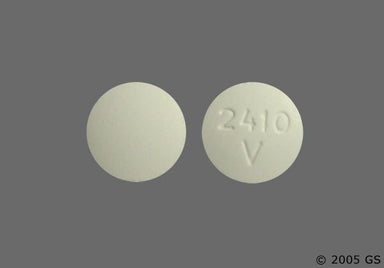
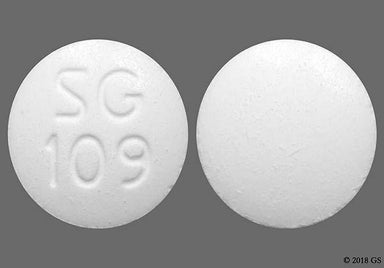
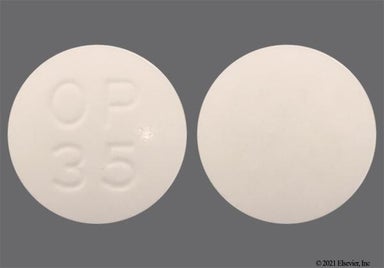
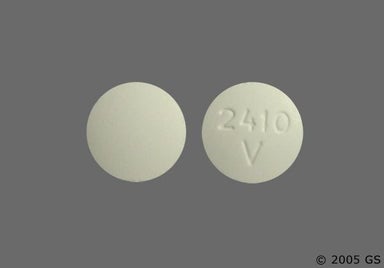
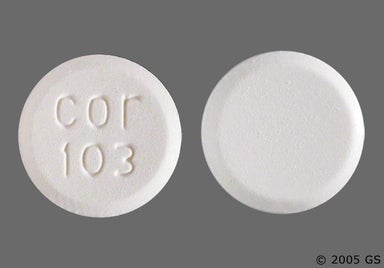
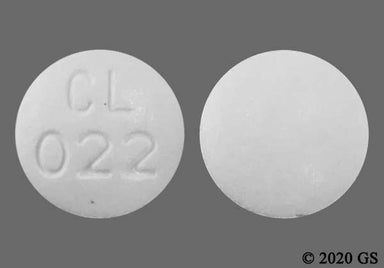
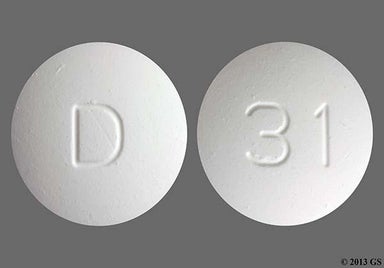
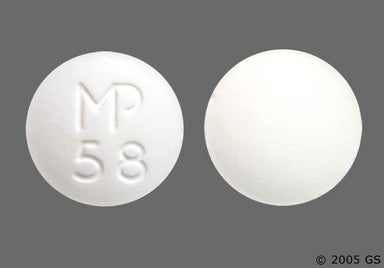
 Tablet
| Dosage | Quantity | Price as low as | Price per unit |
|---|---|---|---|
| 350mg | 60 tablets | $13.66 | $0.23 |
| 250mg | 30 tablets | $23.54 | $0.78 |

Although certain medicines should not be used together at all, in other cases two different medicines may be used together even if an interaction might occur. In these cases, your doctor may want to change the dose, or other precautions may be necessary. When you are taking this medicine, it is especially important that your healthcare professional know if you are taking any of the medicines listed below. The following interactions have been selected on the basis of their potential significance and are not necessarily all-inclusive.
Using this medicine with any of the following medicines is usually not recommended, but may be required in some cases. If both medicines are prescribed together, your doctor may change the dose or how often you use one or both of the medicines.


Contraindications are specific health conditions or situations in which a person should not take a medication due to safety concerns. If you have any of the following conditions or if any of the following apply to you, let your healthcare provider know because Carisoprodol (Soma) will not be safe for you to take.





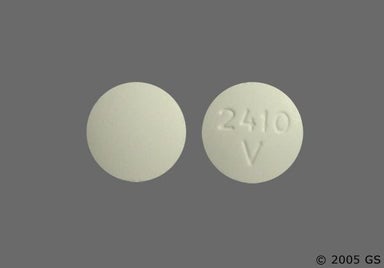
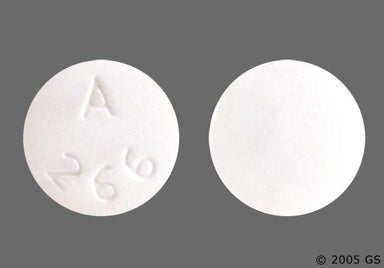
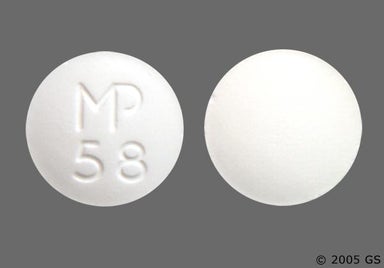
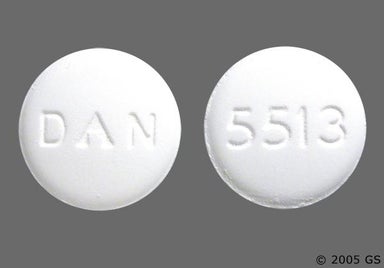
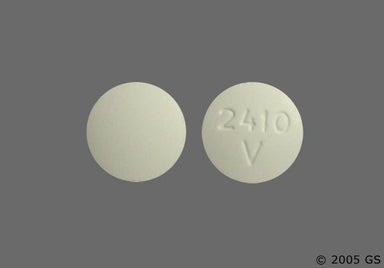
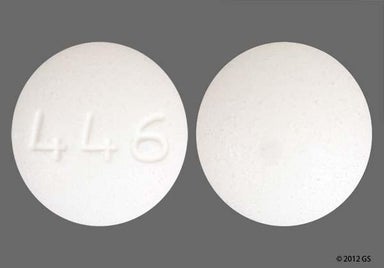
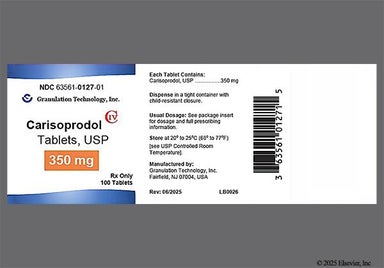
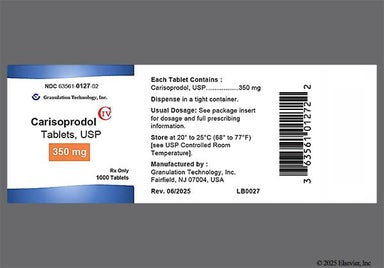
Prescription savings
Stop paying too much for your prescriptions. Compare prices, get pharmacy coupons, and save up to 80%. Find expert answers to your health questions so you can make the best decisions for yourself and your family.
Health conditions
Medications & treatment
Access & affordability
Medication discounts


Carisoprodol isn't a narcotic medication because it isn't an opioid. Narcotic medications is another name for opioid pain relievers. But similar to an opioid, Carisoprodol is classified as a controlled substance because it can lead to dependence and has a risk for possible misuse.
The muscle-relaxing and pain-relieving effects of Carisoprodol are relatively short-acting. They typically last about 4 to 6 hours each time you take Carisoprodol.
Yes, Carisoprodol has a risk for misuse, which can sometimes develop into addiction after repeated use. Work with your healthcare team to identify signs of substance use disorder and addiction. These signs can include a strong desire to take Carisoprodol even though there are serious and harmful consequences, giving it a higher priority than your everyday responsibilities, and sometimes physical withdrawal symptoms when you suddenly stop taking the medication. To lessen the risk of addiction, your prescriber will only recommend you use Carisoprodol for a short period of time (e.g., less than three weeks).
Yes, you should begin to feel pain relief from Carisoprodol fairly quickly after you take it. Some people might start to feel pain relief within 30 minutes of taking the medication. Keep in mind that everyone responds to medications differently. Speak with your care team if you're concerned about how quickly Carisoprodol works to relieve your muscle pain.
Drowsiness is the most common side effect of Carisoprodol, with up to 17% of participants in a clinical study reporting that they felt sleepy at some point during treatment. Interestingly, the drowsiness wasn't bad enough to make participants want to stop taking Carisoprodol altogether; only about 2 to 5% of participants stopped taking it because of side effects. Avoid driving or doing any activities that require you to be awake and alert until you know how Carisoprodol affects you.
No, you should avoid drinking alcohol with Carisoprodol. This combination can slow down your brain activity and raise your risk for serious side effects, such as extreme sleepiness and trouble thinking clearly. In addition, some people have also had seizures when they drank alcohol and took Carisoprodol. Speak with your care team about your drinking habits and whether Carisoprodol is an appropriate option for you. If you regularly drink alcohol, your care team can discuss with you about tips and resources to help you stop drinking.
No, Carisoprodol isn't FDA-approved for chronic pain (pain that lasts for a longer period of time). This medication should only be taken for up to 2 to 3 weeks at a time. There isn't enough evidence that shows that Carisoprodol will continue to work well if you take it for longer than 3 weeks. In addition, taking the medication for a longer period of time puts you at higher risk for certain side effects, like drowsiness, trouble thinking or making decisions, and dependence. Ask your prescriber about alternative treatment options, including ones that don't require medication, if you have a condition that causes chronic muscle pain.
There are several muscle relaxers currently available, and some of them have different conditions that they can treat. Metaxalone (Skelaxin) and cyclobenzaprine (Flexeril) are both muscle relaxers that can treat similar conditions as Carisoprodol. They're also meant for short-term treatment of muscle pain. But unlike Carisoprodol, they're not habit-forming. Other muscle relaxers, such as [tizanidine (Zanaflex)](https://www.goodrx.com/tizanidine/what-is
