


How to Choose the Best Cold and Flu Medicine for Your Symptoms
Which cold and flu medicines actually work for runny noses or fevers? Review the best OTC cold and flu medications, including the symptoms they treat, here.
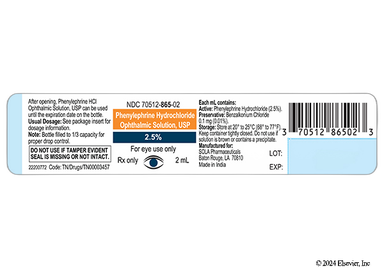
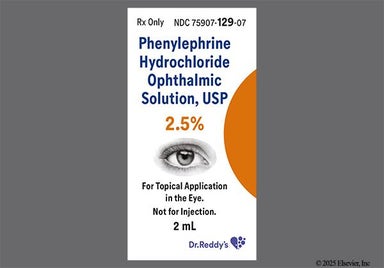
Phenylephrine eye drops are used to dilate (widen) pupils for eye exams or certain eye procedures. Side effects include temporary burning or stinging in the eye, blurry vision, and possibly raise your blood pressure. Let your provider know if your pregnant or breastfeeding because you might need to use a different medication.

Phenylephrine eye drops is an alpha-1 adrenergic receptor agonist. It stimulates a muscle in your eye to cause your pupils to widen (dilate) for eye exams or before certain eye procedures.
| Common Brands | AK-Dilate |
|---|---|
| Drug Class | Alpha-1 adrenergic receptor agonist |
| Controlled Substance Classification | Not a controlled medication |
| Generic Status | Lower-cost generic available |
| Availability | Prescription only |

The following side effects may get better over time as your body gets used to the medication. Let your healthcare provider know immediately if you continue to experience these symptoms or if they worsen over time.
Contact your healthcare provider immediately if you experience any of the following.
Along with its needed effects, a medicine may cause some unwanted effects. Although not all of these side effects may occur, if they do occur they may need medical attention.
Check with your doctor as soon as possible if any of the following side effects occur:
Symptoms of too much medicine being absorbed into the body
Less common with 10% solution; rare with 2.5% or weaker solution
Dizziness
fast, irregular, or pounding heartbeat
increased sweating
increase in blood pressure
paleness
trembling
Some side effects may occur that usually do not need medical attention. These side effects may go away during treatment as your body adjusts to the medicine. Also, your health care professional may be able to tell you about ways to prevent or reduce some of these side effects. Check with your health care professional if any of the following side effects continue or are bothersome or if you have any questions about them:
More common with 2.5 or 10% solution
Burning or stinging of eyes
headache or browache
sensitivity of eyes to light
watering of eyes
Less common
Eye irritation not present before use of this medicine
Other side effects not listed may also occur in some patients. If you notice any other effects, check with your healthcare professional.
Call your doctor for medical advice about side effects. You may report side effects to the FDA at 1-800-FDA-1088.




Phenylephrine eye drops can cause some serious health issues. This risk may be even higher for certain groups. If this worries you, talk to your doctor or pharmacist about other options.
While phenylephrine is available in tablet and nasal spray forms, phenylephrine eye drops should only be used in your eyes. Don't give yourself this medication any other way. If you or someone else takes phenylephrine eye drops by mouth, get medical help right away or contact a Poison Control Center at 1-800-222-1222.
There have been some reports of serious heart problems, including heart attacks and heart rhythm problems in people who use phenylephrine eye drops 10%. If you have heart problems, let your provider know because you'll need to use the lower strength (phenylephrine eye drops 2.5%) of this medication. Get medical help right away if you experience irregular heartbeat, chest pain, arm pain, shortness of breath, or a cold sweat.
Although rare, phenylephrine eye drops can raise your blood pressure, especially if you have a history of heart or blood pressure problems, thyroid problems, or are using the 10% strength of phenylephrine eye drops. If you're already at risk for high blood pressure or if your blood pressure isn't under control, your provider will need to prescribe the lower strength (phenylephrine eye drops 2.5%) of this medication. If you get severe headaches, nosebleeds, difficulty breathing, irregular heartbeat, or chest pain while taking phenylephrine eye drops, stop taking it and seek medical attention right away.
Phenylephrine eye drops is used to widen your pupils, but it's possible for your pupils to be more constricted (tighter) more than usual a day after receiving the medication. Applying more phenylephrine eye drops won't work as well as the first time.

 Eye dropper
| Dosage | Quantity | Price as low as | Price per unit |
|---|---|---|---|
| 5ml of 10% | 1 eye dropper | $18.75 | $18.75 |
| 15ml of 2.5% | 1 eye dropper | $34.38 | $34.38 |
| 2ml of 2.5% | 1 eye dropper | $21.67 | $21.67 |
The typical dose is 1 drop into the eye every 3 to 5 minutes as needed, for a maximum of 3 drops total.
Adults and children 1 year of age and older can use either phenylephrine eye drops 2.5% or 10% strengths. Children under 1 year of age should only use phenylephrine eye drops 2.5% strength.

Although certain medicines should not be used together at all, in other cases two different medicines may be used together even if an interaction might occur. In these cases, your doctor may want to change the dose, or other precautions may be necessary. When you are taking this medicine, it is especially important that your healthcare professional know if you are taking any of the medicines listed below. The following interactions have been selected on the basis of their potential significance and are not necessarily all-inclusive.
Using this medicine with any of the following medicines is not recommended. Your doctor may decide not to treat you with this medication or change some of the other medicines you take.
Using this medicine with any of the following medicines is usually not recommended, but may be required in some cases. If both medicines are prescribed together, your doctor may change the dose or how often you use one or both of the medicines.
Using this medicine with any of the following medicines may cause an increased risk of certain side effects, but using both drugs may be the best treatment for you. If both medicines are prescribed together, your doctor may change the dose or how often you use one or both of the medicines.


Contraindications are specific health conditions or situations in which a person should not take a medication due to safety concerns. If you have any of the following conditions or if any of the following apply to you, let your healthcare provider know because Phenylephrine eye drops will not be safe for you to take.






Prescription savings
Stop paying too much for your prescriptions. Compare prices, get pharmacy coupons, and save up to 80%. Find expert answers to your health questions so you can make the best decisions for yourself and your family.
Health conditions
Medications & treatment
Access & affordability
Medication discounts

Yes, studies show that Phenylephrine 10% can raise blood pressure, but Phenylephrine 2.5% isn't likely to cause noticeable doesn't effects on blood pressure. On average, Phenylephrine 10% strength raised blood pressure by an average of 15 mmHg at about 5 to 10 minutes after the dose. But about 20 to 30 minutes later, blood pressure levels started to go back to what it was before the medication. Babies and people with a history of high blood pressure seem to be at higher risk for blood pressure changes from Phenylephrine.
No, Phenylephrine isn't a stimulant. But, although rare, it might cause some stimulant-like side effects, such as high blood pressure or fast heart rate. Tell your provider if you're taking a stimulant medication, such as medication for attention-deficit hyperactivity disorder (ADHD), before receiving Phenylephrine because you might be at higher risk for heart-related side effects.
No, people using Phenylephrine eye drops didn't report insomnia (difficulty sleeping) as a side effect during clinical studies. But it's possible that taking phenylephrine (Sudafed PE) tablets can keep you awake.
Phenylephrine starts working within 15 minutes. Its full effects happen about 60 to 90 minutes after your dose.
Phenylephrine can stay in your system and keep your pupils dilated for up to 5 to 7 hours after the dose. It's likely that you won't be able to drive after using Phenylephrine because this medication can cause blurry vision and make you more sensitive to light. If you're getting an eye exam or procedure done, your healthcare provider will check with you to see if you're safe to drive or let you know ahead of time if you'll need to have someone else drive you. Additionally, if you're having side effects from Phenylephrine, they might last up until the time it takes for the medication to clear out of your system.
Phenylephrine is typically used to dilate your pupils before an eye exam or procedure. Your healthcare provider will ask you to remove your contact lenses so they can perform the procedure. They will let you know when it's safe to put your contact lenses back in again. For comfort, it might be better to wear your glasses that day instead, as the medication's effects can last for several hours. In addition, this medication contains a preservative (to prevent germ growth), called benzalkonium, which can stain your contact lenses.
