Palforzia
Palforzia is an allergen immunotherapy for kids over the age of 1 who are allergic to peanuts. It can help make allergic reactions less serious if they get exposed to peanuts by mistake. Palforzia is peanut flour that's mixed with food before it's taken by mouth. The dose is slowly raised over a few months to build tolerance to peanuts. Side effects include stomach pain, throat irritation, vomiting, and itchiness. It also has a risk of dangerous allergic reactions. So, your child needs to take the medication at a medical center first. They can keep taking Palforzia if they turn 18 during treatment. But it isn't approved for adults to start taking.


What is Palforzia?
What is Palforzia used for?
- Helping to make allergic reactions, including anaphylaxis, less severe in children with a peanut allergy
How Palforzia works
Palforzia is a type of allergen immunotherapy. It's a powder that's made from peanut flour.
Your child starts with a very small amount of peanut protein. Then, they take higher amounts until they reach a regular amount. This slow exposure helps your child build tolerance to peanuts. This helps make allergic reactions less severe if your child accidentally comes in contact with peanuts.
Drug facts
| Common Brands | Palforzia |
|---|---|
| Drug Class | Allergen immunotherapy |
| Controlled Substance Classification | Not a controlled medication |
| Generic Status | No lower-cost generic available |
| Availability | Prescription only |

Side effects of Palforzia
The following side effects may get better over time as your body gets used to the medication. Let your healthcare provider know immediately if you continue to experience these symptoms or if they worsen over time.
Common Side Effects
- Stomach pain
- Nausea
- Vomiting
- Itchiness in the mouth
- Throat irritation
- Cough
- General itchiness
- Tingling in the mouth
Less Common Side Effects
- Hives
- Runny nose
- Sneezing
- Throat tightness
- Wheezing
- Shortness of breath
- Itchy ear
Palforzia serious side effects
Contact your healthcare provider immediately if you experience any of the following.
- Severe allergic reaction: hives, itching, nausea, vomiting, dizziness, feeling confused or anxious, fast heart rate, throat tightness, trouble breathing, anaphylaxis
- Eosinophilic esophagitis: hard to swallow food, stomach pain, heartburn, chest pain, nausea, vomiting
The following Palforzia side effects have also been reported
Side effects that you should report to your care team as soon as possible:
- Allergic reactions—skin rash, itching, hives, swelling of the face, lips, tongue, or throat
- Heartburn, pain or trouble swallowing, chest pain that does not go away or gets worse
Side effects that usually do not require medical attention (report these to your care team if they continue or are bothersome):
- Burning or tingling of the tongue, mouth, throat, or face
- Irritation inside the mouth or throat
- Itching of the mouth, lips, tongue, or ears
- Nausea
- Runny or stuffy nose
- Sneezing
- Stomach pain

Get your GoodRx coupon

Pros and cons of Palforzia
Pros
- Can help lower the chance of a life-threatening allergic reaction to peanuts
- Can be started in children as young as 1 year old
- Taken once a day (after Initial Dosing phase)
- Okay for children who can't swallow capsules to take (you have to mix the powder with semisolid food)
Cons
- Not a cure for peanut allergies
- Risk of causing a life-threatening allergic reaction
- Must take Initial Dosing and the first dose of each new Up-Dosing level at a medical center for safety
- Can't start taking this medication if you're over 18 years old

Pharmacist tips for Palforzia

- Your child should keep trying their best to avoid peanuts while taking Palforzia.
- Make sure you, your child, and other family members know how to spot the signs of an allergic reaction. Watch out for hives, a rash, nausea, vomiting, swelling in the face, throat tightness, and trouble breathing.
- Have your child carry an epinephrine pen at all times. Be sure you, your child, and other family members know what to do and how to use it if an allergic reaction happens. Check the epinephrine pen from time to time to make sure it's not expired.
- If your child has any kind of allergic reaction, including stomach pain or vomiting, tell their prescriber. This is important if it's severe or bothersome, it keeps coming back, or it lasts longer than 90 minutes. Their prescriber might need to change the Palforzia dose or adjust the treatment plan. They might even decide to stop the medication altogether.
Tips on how to prepare each Palforzia dose:
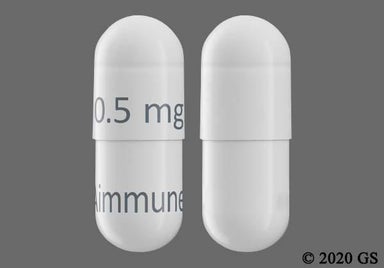
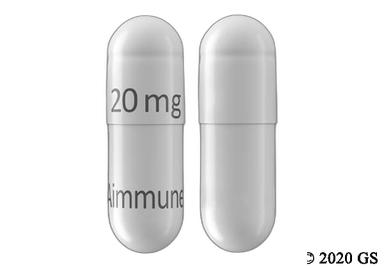
- Most of the Palforzia doses for the Up-Dosing phase of treatment are in capsule form. The maintenance dose comes as a packet of powder.
- Store Palforzia capsule(s) and packets at room temperature or in the refrigerator. Keep the medication in its original package to protect it from moisture.
- Your child shouldn't swallow the Palforzia capsules or swallow the powder directly from the packet. Also don't inhale the powder from the capsules or packet.
- During the Up-Dosing phase, your child will take gradually higher doses of Palforzia every 2 weeks. The dose might be a different number of capsules and different strengths of capsules. Follow the prescriber's directions very carefully to prepare each dose correctly. If you're not sure, ask the prescriber.
- How to prepare Palforzia: Open the capsule(s) or packet. Empty all the powder onto a few spoonfuls of semisolid food, like applesauce, yogurt, or pudding. The food can be refrigerated or at room temperature. Be sure to mix the powder in with the food well. Don't mix with liquid or hot food because it might damage the medication or affect the way it works. Afterwards, throw away the opened capsule(s) or packet and wash your hands well.
- Mix the Palforzia powder with a small enough amount of food that your child can eat in one sitting. Once mixed, your child should eat the mixture right away. If it sits out for too long, the medication can get damaged and might not work as well.
Tips for how to take Palforzia (Up-Dosing and Maintenance phase):
- Each step of the Up-Dosing phase takes 2 weeks. Your child will take the first dose of each new level at the medical office. The care team will watch them for at least 1 hour to check for any reactions. If your child does well, they can take the rest of the doses for that level at home for 2 weeks. Then, your child will need to come back to the office to start the next level at a higher dose.
- Don't give Palforzia at home the day your child is going to the medical office to start a new dose. Taking two doses of the medication on the same day might be harmful.
- For the Maintenance phase, take Palforzia at home every day.
- Take Palforzia once a day with a meal around the same time each day, preferably in the evening. Making it a part of your child's daily routine can help prevent missed doses. It can also help the medication work as best as it can.
- Keep an eye on your child for at least 1 hour after giving Palforzia each day. Watch for any allergic reactions. If one happens, give epinephrine and call 911 right away.
- Don't give your child Palforzia in certain situations. Examples include fever, exercising, hot baths, and hot showers. High body temperature and fast heart rate might raise the risk of a severe allergic reaction after taking Palforzia. Wait until they've cooled and calmed down before giving the medication. And don't have them take a hot bath or shower right before or within 3 hours of taking Palforzia.
- Talk to the allergy specialist about other times when there could be a higher chance of a serious allergic reaction after taking Palforzia. They'll discuss with you about when to be careful and what you should do.
- If your child misses a Palforzia dose, call the allergy specialist's office for help. They'll give you instructions on how to deal with this situation. It'll depend on how many doses your child missed.

Risks and warnings for Palforzia
Palforzia can cause some serious health issues. This risk may be even higher for certain groups. If this worries you, talk to your doctor or pharmacist about other options.
Risk of severe allergic reaction (anaphylaxis)
- Risk factors: Uncontrolled asthma | Severe allergic reaction to peanuts
 Palforzia can cause a severe allergic reaction called anaphylaxis. This reaction can be life-threatening. It can happen at any phase during treatment. It can also happen even if your child has taken smaller doses before without a problem. If you're worried about this risk, talk to your child's prescriber.
 Tell your child's allergy specialist about their medical history. Palforzia might not be safe if your child has had a severe allergic reaction to peanuts before. It might also be risky if they have certain health problems. This includes uncontrolled asthma, asthma attacks, or heart problems. Your child's allergy specialist can double check that Palforzia is okay for them.
Because of the risk of anaphylaxis, your child must take the Initial Dosing phase and the first dose of each new Up-Dosing level at a medical office. They'll need to stay there for at least an hour afterwards so the care team can watch for allergic reactions. The care team will be able to treat it quickly if one happens.
Your child should always carry an epinephrine pen. Be sure you, your child, and your family members know how to use it if an allergic reaction happens. Give an epinephrine shot and get medical help right away if there are signs of an allergic reaction. Look out for hives, itching, nausea, dizziness, tightness of throat, and trouble breathing.
Must enroll in the Palforzia REMS program
Palforzia is available only through a special program called the Palforzia REMS. This Risk and Mitigation Strategies program is required because there's a risk of a serious allergic reaction called anaphylaxis.
Your allergy specialist will help you sign up for the Palforzia REMS program. Your prescriber, the medical office, and the pharmacy must also register with the program. The program's goal is to make sure everyone involved in your care knows about the risk of anaphylaxis and what to do if it happens.
Talk to your allergy specialist or care team to learn more about the Palforzia REMS program.
Eosinophilic esophagitis (allergic condition affecting the esophagus)
It's not common, but some people who took Palforzia had a problem called eosinophilic esophagitis. This is an allergic condition that affects the esophagus (the tube that connects your mouth to your stomach).
Eosinophilic esophagitis makes the esophagus swollen and irritated. It can also make the esophagus narrower, which can make it hard to swallow food. Other problems can be stomach pain, heartburn, chest pain, nausea, and vomiting.
If your child has these symptoms while taking Palforzia, talk to your child's pediatrician or allergy specialist. If the symptoms are severe, your child will probably need to stop the medication. The medical team can help figure out what's going on.
Side effects affecting the digestive tract
Palforzia can cause side effects that affect the digestive tract. Common side effects include stomach pain, vomiting, and nausea. It can also cause itchiness or tingling in the mouth. If your child has these side effects, let the allergy specialist know. They might need to lower the Palforzia dose. If these side effects don't go away, your child might need to stop taking this medication.

Palforzia dosage
 Dose pack
| Dosage | Quantity | Price as low as | Price per unit |
|---|---|---|---|
| Initial Dose Escalation | 1 dose pack | $47.66 | $47.66 |
| Level 1 of 3mg | 1 dose pack | $620.42 | $620.42 |
| Level 2 of 6mg | 1 dose pack | $620.42 | $620.42 |
| Level 3 of 12mg | 1 dose pack | $620.42 | $620.42 |
| Level 4 of 20mg | 1 dose pack | $620.42 | $620.42 |
| Level 5 of 40mg | 1 dose pack | $620.42 | $620.42 |
| Level 6 of 80mg | 1 dose pack | $620.42 | $620.42 |
| Level 7 of 120mg | 1 dose pack | $620.42 | $620.42 |
| Level 8 of 160mg | 1 dose pack | $620.42 | $620.42 |
| Level 9 of 200mg | 1 dose pack | $620.42 | $620.42 |
| Level 10 of 240mg | 1 dose pack | $620.42 | $620.42 |
| Level 11 of 300mg | 1 dose pack | $620.42 | $620.42 |
| Level 11 Maintenance of 300mg | 1 dose pack | $1,234.60 | $1,234.60 |

How much does Palforzia cost?
$47.66

Palforzia contraindications
Contraindications are specific health conditions or situations in which a person should not take a medication due to safety concerns. If you have any of the following conditions or if any of the following apply to you, let your healthcare provider know because Palforzia will not be safe for you to take.
- Asthma that's not controlled
- History of eosinophilic esophagitis or other eosinophilic gastrointestinal problems

Palforzia images