Key takeaways:
Breast pumps and certain related supplies are eligible for purchase or reimbursement with flexible spending account (FSA) funds, based on IRS guidelines.
Most breast pump types qualify for FSA funds — including manual, electric, and wearable models, along with accessories, such as breast shields and nursing pads.
You can confirm a product’s eligibility through your FSA member portal, by contacting your plan administrator, or by asking your breast pump supplier.
Having a baby brings additional expenses. If you plan to breastfeed, a breast pump may be among these new costs. But it’s one that a flexible spending account (FSA) may help cover.
An FSA is an employer-sponsored health benefit that’s typically funded by pre-tax deductions from your pay. Employers may also contribute to your FSA, but aren’t required to do so.
Here’s what to know about using your FSA for a breast pump and its accessories.
Search and compare options
Are breast pumps FSA-eligible?
Yes, breast pumps are FSA-eligible. The IRS treats breast pumps, along with related equipment and supplies used to support lactation, as medical expenses. This means you can buy these items using your FSA funds.
Most health insurance plans are also required to cover a breast pump without cost-sharing under the Affordable Care Act (ACA), though the law doesn’t specify which type of pump. So if your plan only covers a manual model, and you want to upgrade to an electric one, your FSA may help cover the cost difference.
The breast pump itself qualifies for FSA reimbursement, and so do certain accessories. Storage bags and bottles for milk storage can be purchased with FSA funds. But bottles for feeding only are not considered medical expenses, which means they’re not FSA-eligible.
You generally don’t need a letter of medical necessity to pay for breast pumps and eligible supplies with your FSA. That said, plan rules vary, so check with your plan administrator.
What types of breast pumps do FSAs cover?
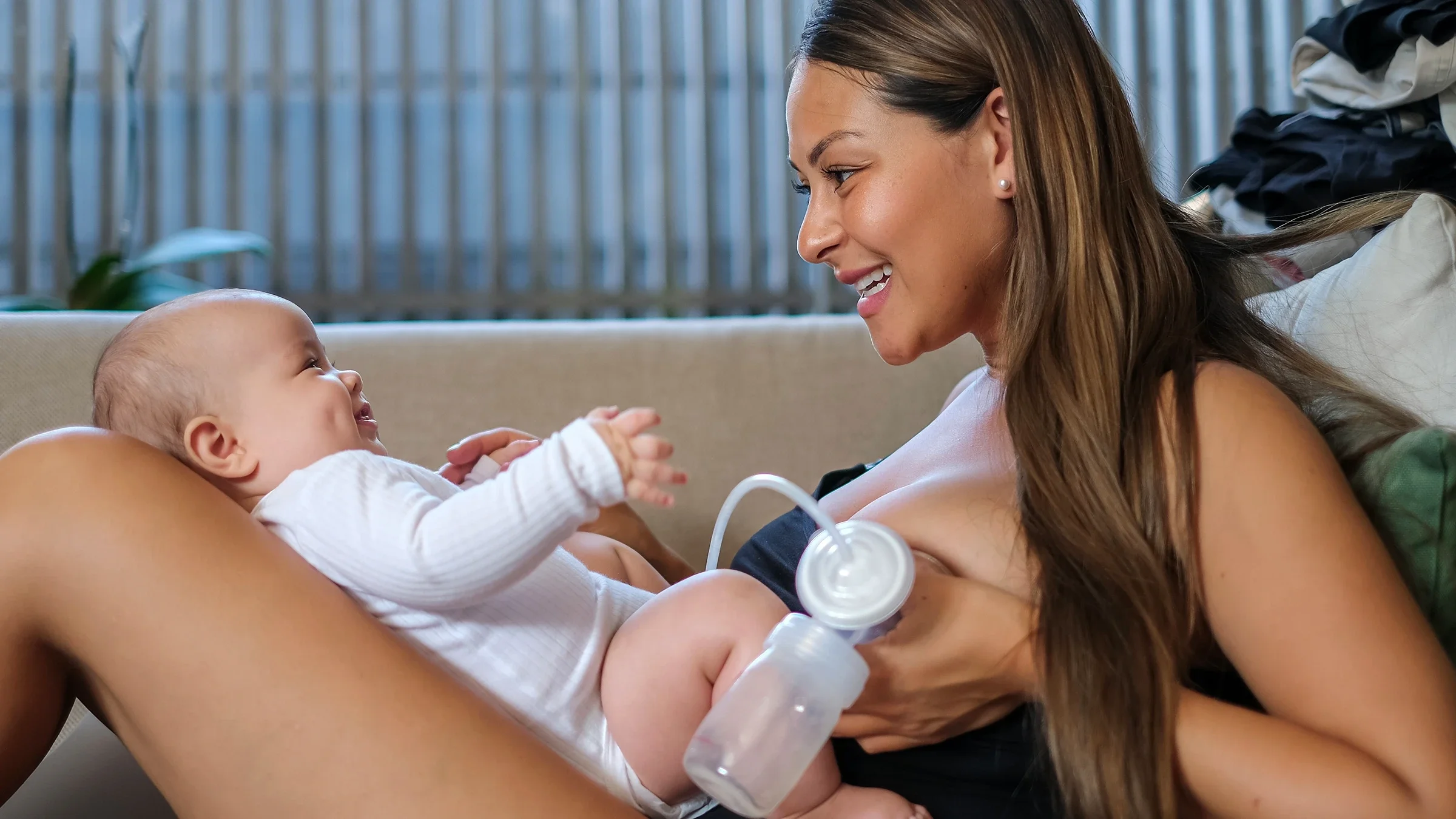
IRS rules don’t restrict FSA coverage to one type of breast pump or pumps with certain features. Most breast pump types qualify, including:
Manual pumps
Electric pumps
Battery-powered pumps
Hands-free (wearable) pumps
Double or duo pumps for both breasts at once
Some breast pumps have multiple features, such as a battery-powered, hands-free model for use on both breasts at the same time.
While a standard healthcare FSA covers breast pumps, they are not a qualified expense for other types of FSAs. If you have a limited-purpose FSA (LPFSA), which is for dental and vision care, or a dependent care FSA (DCFSA), which is used for childcare, you won’t be able to use their funds for a breast pump. If you’re unsure which type of FSA you have, reach out to your human resources or benefits department. The answer should also reside in your plan documents.
Can you use your FSA for a hospital-grade breast pump?
It depends. Hospital-grade breast pumps are typically found in medical settings to help new mothers start and maintain their milk supplies. These pumps are commonly used when a newborn remains hospitalized after the mother has been discharged or when there are medical challenges with feeding. They’re often rented, but can be purchased.
Many suppliers only rent hospital-grade pumps through insurance. If your insurance covers the rental in full, you generally wouldn’t need to use funds from your FSA.
Some suppliers do rent out hospital-grade breast pumps with cash-pay options. But few accept FSA payment directly for these out-of-pocket rentals. In those cases, you may be able to pay for the rental yourself and submit a claim for FSA reimbursement. Your plan administrator, though, may require supporting documentation or a letter of medical necessity. Your best bet is to check with both the supplier and your FSA administrator.
Can you use your FSA for breast pump accessories?
Yes, you can use your FSA to pay for many breast pump accessories. They’re eligible as long as they help with lactation, according to the IRS.
FSA-eligible breast pump accessories and replacement parts include:
Battery packs
Bottles used for breast milk collection and storage
Breast milk cooler sets with bags
Breast shields (flanges)
Breast milk storage bags
Hands-free pumping bra
Nipple cream or balm
Nursing pads
Pump cleaning wipes
Tubing and valves
In general, an item that directly supports the pumping or handling of breast milk for collection and storage will be a qualified expense. Comfort items like breastfeeding pillows generally won’t. When in doubt, check with your FSA administrator before you buy.
How to check if your FSA covers breast pump and accessories
The IRS determines what qualifies, but your FSA administrator decides how the documentation and claim submission process works. Before you buy, here are a few ways to confirm what your plan may need from you to cover breast pumps and accessories.
Contact your FSA administrator directly
A representative can confirm what’s covered, any documentation requirements, and how to submit reimbursement claims.
Log into your member portal
Most FSA providers have a searchable list of eligible items on their website or mobile app. You can usually type in “breast pump” or the accessory you want to see what qualifies. Some FSA plan apps also include a barcode scanner, which can be handy if you’re shopping in a store and want an answer before you buy.
Check the FSAFEDS list
Though designed for federal employees, the FSAFEDS database is one of the most thorough eligibility references available. It can be a helpful place to start if you want to check quickly. But confirming with your plan administrator remains the most reliable option.
Ask the retailer or supplier
Pump suppliers that accept FSA cards can tell you what products are typically reimbursed. This isn’t a guarantee, but it’s helpful context.
Look for ‘FSA Eligible’ labels at major retailers
You may see products flagged as “FSA Eligible” at larger retailers such as Walmart and Target. These labels are generally reliable, but when in doubt, your FSA administrator can confirm.
How to receive reimbursement for breast pumps
If you pay with your FSA debit card, there’s usually nothing else you need to do concerning the purchase. But keep your receipts in case of an IRS audit.
If you paid out of pocket, the retailer didn’t accept your FSA card, or the transaction wasn’t approved, you can submit a claim for reimbursement. Before you do, check your FSA balance and confirm you have funds available.
Here’s how the reimbursement process usually works:
Keep your itemized receipts. You’ll need a proof of purchase that clearly shows the store name, date, item description, and the amount paid. A credit card or bank statement usually isn’t enough.
Log in to your member portal or app. The majority of FSA providers allow you to submit a reimbursement claim online, and many systems guide you through the process. This is usually the fastest way to get reimbursed. You can also track your reimbursement status from your account.
Complete a digital claim form. You’ll generally enter a few details, upload a photo of your receipt, and submit.
Complete a paper claim form, if preferred. You may be able to download and print a claim form from your FSA administrator’s website. Follow the submission instructions on the form and return as required. Your submission options may include uploading to an app or website, emailing images, physical mail, or faxing documents.
Receive direct deposit. Sharing your bank account information with your FSA can get you reimbursed faster. If not, you may receive a check by mail, which can take longer.
Pay attention to deadlines. Most plans require claims to be submitted before the plan year ends or within a grace period. Check your plan’s deadline to avoid forfeiting reimbursement.
If your reimbursement request is denied, ask your administrator for the reason. Most denials are due to missing or incomplete documentation. You can usually fix the issue and resubmit.
Can you use your health savings account (HSA) for breast pumps?
Yes, you can use your HSA to pay for breast pumps and supplies that help with lactation. HSAs follow the same IRS rules as standard health FSAs when it comes to eligible medical expenses.
The main difference is that HSA money rolls over from year to year and your funds don’t expire — unlike an FSA. You and your employer can contribute to an HSA. It’s also important to note that HSAs are available to individuals with high-deductible health plans.
The bottom line
Breast pumps and related lactation supplies can be purchased with funds from a flexible spending account (FSA). These are FSA-eligible medical expenses under IRS guidelines. Most types of breast pumps and accessories used for the pumping, collection, and storage of breast milk qualify. To verify if an item is eligible, contact your FSA administrator directly or check through a digital source such as your FSA member portal.
You may be able to pay with your FSA debit card at the time of purchase, or pay out of pocket and submit a claim for reimbursement. Either way, hold onto your itemized receipts in case you need to provide documentation later.

Why trust our experts?



References
FSA Feds. (n.d.). Eligible health care FSA (HC FSA) expenses. Office of Personnel Management.
FSA Feds. (n.d.). FAQs: What is the use or lose rule? Office of Personnel Management.
FSA Store. (n.d.). Are breast pumps FSA eligible?
FSA Store. (n.d.). Breast pump: FSA eligibility.
FSA Store. (n.d.). FSA reimbursement: Filing claims, rules and deadlines.
FSA Store. (n.d.). How FSAs can benefit new parents.
Healthy Blue. (2025). Clinical UM guideline: Electric breast pumps.
HealthCare.gov. (n.d.). Health benefits & coverage: Breastfeeding benefits. Centers for Medicare and Medicaid Services.
HSA Store. (n.d.). Nursing supplies: HSA eligibility.
Internal Revenue Service. (2026). Publication 502: Medical and dental expenses. Department of Treasury.
Jordan, J. (2024). Everything you need to know about hospital-grade breast pumps. Aeroflow Breastpumps.
U.S. Food and Drug Administration. (2021). Buying and renting a breast pump.
Yummy Mummy. (n.d.). Pump rental.