Key takeaways:
Over the last few years, more and more Americans have struggled with prescription medication costs. And more people are dipping into savings — if they have them — to pay for medications, as well.
Patients continue to have to choose between paying for their prescription medications or affording basic life necessities.
Pandemic-related job losses still affect patients’ ability to pay for their medications.
A new GoodRx Survey finds that the pandemic continues to make it tough for many people to afford healthcare. In fact, almost 40% of people surveyed had a hard time affording their medications in 2021. Additionally, 25% of people had difficulty affording basic necessities because of high medication costs.
To better understand how medication affordability changed over the last year, we surveyed more than 1,000 people in the U.S. who took a prescription medication for an ongoing condition (such as diabetes or high blood pressure). The survey was limited to individuals with an insurance plan that helped cover prescription medication.
Our findings below lay out the steep prices that Americans face at the pharmacy counter and how they’re managing those costs.
Prescription medication costs are still going up
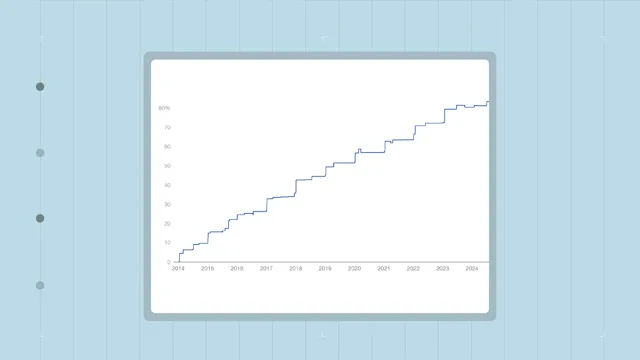
Prescription drug prices continue to rise every year, and 2021 was no different. GoodRx Research found that prescription drug costs were no longer the fastest-growing commodity or service last year. But they have still increased by 1.3% since the start of the pandemic.
Those costs trickled down to patients. Over one-third of people reported that their prescription medication cost had increased in the last year.
Given that increase, it’s no surprise that many Americans said that it was getting harder to pay for their regular medications: 38% of people either had a somewhat difficult or a very difficult time affording their medications.
That’s a higher percentage of people reporting trouble affording prescription medications than in previous years. The overall rate was up slightly from 2020, but the percentage of those experiencing a very difficult time affording their medications went slightly down.
Patients are turning to savings and cost-cutting measures to combat rising drug costs
Since we first ran this survey in 2018, the number of patients who need to tap into their savings accounts to pay for prescription medications has increased yearly. In the last year, more than 20% of respondents reported using savings for medication.
Patients turned to a variety of cost-saving measures as well, including delaying a refill after running out of medications (16%), rationing medications (16%), and switching to a more affordable alternative medication (11%). Some patients stopped taking one of their medications entirely due to cost (10%), and a smaller amount purchased their medication abroad (3%).
Like we saw in 2018 and 2020, patients also took on debt to pay for their prescription medications. Nearly 18% of survey participants reported borrowing money from family or friends to pay for prescription drugs; others took out loans (6%), additional mortgages (2%), or even declared bankruptcy (1%).
More people report difficulty paying for basic necessities due to prescription drug costs
Over the last year, nearly one-quarter of people reported trouble paying for basic life necessities due to the cost of prescription medications. This is up 5% from 2018. Unfortunately, this percentage may keep rising if drugs become more expensive and insurance coverage becomes less comprehensive.
Patients are still dealing with COVID-19’s impact on healthcare affordability
It’s been more than 2 years since the COVID-19 pandemic began. But its effects on healthcare affordability remain.

Read more like this
Explore these related articles, suggested for readers like you.



The pandemic’s largest impact on healthcare affordability is job loss. Over the last year, 16% of people reported a lower income due to a pandemic-related job loss. Job loss often affects insurance, too, and 3% of people reported a loss of insurance due to the COVID-19 pandemic.
What’s more: 6% of people paid out of pocket for COVID-19 treatment even though treatment options are becoming more common.
Insurance coverage is up, yet medications aren’t always fully covered
Based on our survey, health insurance coverage is up 2% compared to the year before. This is consistent with the U.S. Department of Health and Human Services’ initial report on lower uninsured rates between years 1 and 2 of the pandemic.
Despite this increase in coverage, however, many still are struggling to afford their medications. And coverage plans — especially high-deductible health plans — may still require patients to pay substantial out-of-pocket costs for medications.
Summing it all up
Americans are still feeling the pandemic’s effects on prescription medication prices despite increases in insurance coverage. With high drug costs and loss of income due to job loss, people are spending more out of pocket to stay on their medications.
On the plus side, there may be some relief to come. The Biden administration recently announced plans to help Americans with medical debt. One aspect will be holding providers and debt collectors accountable for helping those who are underinsured or uninsured afford care with nonpredatory payment plans or financial assistance.
But for now, patients who are struggling to afford their medications may want to look to alternative options: Patient assistance programs can help, as well as an understanding of when to use a savings coupon instead of paying an insurance copay.
Co-contributors: Sasha Guttentag, PhD, Lauren Chase
Methodology
Our survey was run through Google Surveys and was entirely composed of Android smartphone users. The survey ran from March 24 to March 26, 2022; A total of 1,118 responses were collected and analyzed. Survey responses were weighted to the U.S. population using age, gender, and geographical location. More information on the Google Survey methodology is available here.
See previous GoodRx reports on medication debt here:

Why trust our experts?