Key takeaways:
The amount of water you should drink in a day depends on many factors, including your age. I can also vary from person to person and from day to day.
Your body gives you important clues about whether you’re drinking enough water. Paying attention to these signs can be the best way to tell if you or someone you care for is dehydrated.
Drinking too little or too much water can both cause serious health problems.
You may have heard the saying, “Drink 8 glasses of water a day.” But many factors determine how much water someone needs. There’s no one-size-fits-all rule. For the average adult, an adequate daily water intake is about 13 cups for males and 9 cups for females. This can help prevent dehydration. But as we age, it can be harder to know when we’ve had enough to drink.
Many people and caregivers worry about getting enough water, especially as they get older. Fortunately, there are some helpful signs to watch for. These signs can help you know when an older adult may need more water. Let’s take a closer look at the symptoms of dehydration in older adults and how to stay hydrated.
Symptoms of dehydration in older adults
Water is essential for your body. It helps keep the right balance of important electrolytes, such as sodium, potassium, and chloride. When you don’t get enough water, it can cause a number of problems that range from mild to severe, especially in older adults.
Search and compare options
Common symptoms of dehydration include:
Weakness: Dehydration can make you feel weak and low on energy. This can also lead to falls, which can be especially dangerous for older adults.
Confusion: Just like other important organs, your brain needs enough water to do its job properly. When dehydrated, older adults may experience delirium, confusion, and disorientation.
Kidney and bladder problems: The kidneys need enough water to stay healthy. Dehydration can damage your kidneys and make it harder for them to get rid of harmful waste products in your blood. Urine can become more concentrated and move more slowly. This can lead to urinary tract infections (UTIs).
Constipation: When someone is dehydrated, stools can become hard and difficult to pass. Severe constipation can also cause stomach pain, nausea, vomiting, and bowel blockage.
Oral problems: Saliva is crucial for keeping teeth healthy. Dehydration can lead to less saliva and a dry mouth. Dry mouth is a common cause of tooth decay and gum disease.
Cardiovascular problems: When your body is low on water, you also have less total volume of blood. This can lead to low blood pressure and dizziness. It can also cause a high heart rate, which can give you heart palpitations or make you feel like your heart is racing.
These are just of the ways dehydration can have serious effects on your entire body. Fortunately, developing some simple habits can make it easier to stay hydrated (more on this below).
What causes dehydration in older adults?
Dehydration happens when your body loses more fluid than it takes in. Older adults are especially vulnerable because normal aging changes how your body manages water:
Reduced thirst and fluid balance: As you get older, your body’s internal systems become less sensitive. Older adults may not feel thirsty even when they need fluids. On top of that, your kidneys lose their ability to concentrate urine as well as they used to. This can cause you to lose more water as you age.
Lower total body fluid: As you get older, your body holds less water. This “smaller fluid reserve” means that older adults have less of a buffer against fluid losses. Even a small loss of fluid can lead to dehydration.
Medical conditions: Chronic health issues common in later life can make dehydration more likely. For example, poorly managed diabetes can lead to frequent urination and fluid loss. Chronic kidney disease can also change the way your kidneys manage your fluid and electrolyte levels.
Medications: Many of the medications that older adults take, like diuretics or laxatives, increase fluid loss. Older adults often take multiple medications, which can raise the risk.
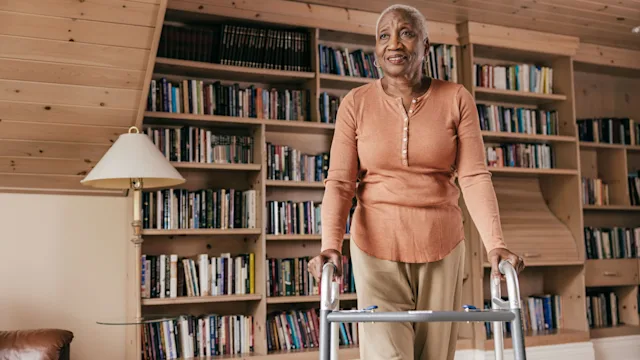
Mobility challenges: It can be harder to get around as you get older. This can make it difficult to get water, even when you feel thirsty. Limited mobility can also lead to dehydration.
Signs of dehydration
You may be wondering how to tell if someone is dehydrated. This can be tricky because hydration needs can vary widely from day to day and from person to person. Fortunately, the body will give some clues that it needs more fluids.
Here are some signs that an older adult may be dehydrated:
Thirst: At the most basic level, your body asks for more water by making you feel thirsty. But as you age, you may not feel thirst as strongly. That’s why it’s important to watch for other clues too.
Skin and mouth moisture: Your skin and the inside of your mouth can quickly give clues about hydration. When someone is dehydrated, their skin will often become dry and flaky. The lips may become creased and cracked, and the tongue and inside of the mouth may appear dry. The tongue and teeth may also appear coated.
Urine: One of the main ways that your body balances fluids is through urine output. When you pee, you’re getting rid of extra water and other waste products. When a person is dehydrated, they usually urinate less. The urine will also become more concentrated and appear dark yellow, amber, or brown.
Bowel movements: You also lose water through bowel movements. When you don’t drink enough water, your body works to save water. This causes stool to become more dry, firm, and difficult to pass.
How to treat dehydration in older adults
There are different treatment options for dehydration, depending on whether it’s mild or severe.

Read more like this
Explore these related articles, suggested for readers like you.



Mild dehydration
Mild dehydration can often be treated at home by increasing your fluid intake. Taking small, frequent sips of water may be easier than drinking large amounts at once. Oral rehydration solutions can also help replace fluids and electrolytes, especially after vomiting or diarrhea.
More severe dehydration
This level of dehydration requires medical care. Treatment usually includes intravenous (IV) fluids and close monitoring. Early treatment is important because dehydration in older adults is linked to higher complication rates.
Signs that someone might have severe dehydration include:
Confusion
Very little urine output
Dizziness
Low blood pressure
Whenever possible, treatment for dehydration should also address the underlying cause, like infection, medication side effects, or uncontrolled diabetes.
Tips for staying hydrated
Most of us could do a better job of staying hydrated. Simple habits can make it easier to get the right amount of water every day:
Keep water close: Drink when you feel thirsty, but keeping water handy can remind you to drink more. Try keeping water with you throughout the day and by your bed at night.
Track your water intake: It’s easy to think you’re drinking more water than you really are. Use a sports bottle with measurements to track your daily water intake. You can also use smartphone apps or wearable devices to track your water intake.
Eat foods high in water: Some foods are packed with extra water, like melons, tree fruits, and berries. Vegetables like greens and celery are also great sources of water.
Limit salty foods: Very salty foods can make you urinate more and may lead to dehydration. This can even include liquid foods like soup if they’re high in salt. Packaged foods and restaurant meals are often higher in salt than home-cooked meals.
If you’re a caregiver supporting an older adult at home, these tips can help someone else stay hydrated:
Offer fluids regularly: Don’t rely on thirst alone. Offer small amounts of water or other fluids throughout the day, such as with meals, medications, and between activities.
Keep drinks within reach: Make it easy to sip by keeping water near the bed, next to a favorite chair, or in a frequently used room.
Reduce common barriers: Some older adults limit fluids to avoid bathroom trips. Scheduling regular bathroom breaks and making sure the bathroom is easy and safe to reach can help.
For caregivers, the goal is consistency. Offering frequent, low-effort opportunities to drink can make a big difference.
Frequently asked questions
The fastest way to rehydrate is to drink fluids that contain both water and electrolytes. Oral rehydration solutions are especially helpful because they replace sodium and glucose along with fluids. This helps your body absorb water more efficiently.
How long it takes to recover from dehydration depends on how severe it is and your overall health. Mild dehydration can improve within a few hours once you replace the fluids you lost. More significant dehydration can take longer to fully recover, especially in older adults or those with chronic medical conditions.
When you’re dehydrated, it’s best to avoid very salty and sugary foods. These foods draw fluid out of your cells, making dehydration worse. Alcohol should also be avoided because it increases your urine output and can make dehydration worse. Simple, hydrating fluids and water-rich foods are better choices while recovering.
The fastest way to rehydrate is to drink fluids that contain both water and electrolytes. Oral rehydration solutions are especially helpful because they replace sodium and glucose along with fluids. This helps your body absorb water more efficiently.
How long it takes to recover from dehydration depends on how severe it is and your overall health. Mild dehydration can improve within a few hours once you replace the fluids you lost. More significant dehydration can take longer to fully recover, especially in older adults or those with chronic medical conditions.
When you’re dehydrated, it’s best to avoid very salty and sugary foods. These foods draw fluid out of your cells, making dehydration worse. Alcohol should also be avoided because it increases your urine output and can make dehydration worse. Simple, hydrating fluids and water-rich foods are better choices while recovering.
The bottom line
It can be hard to know how much water is “just right” for you or someone in your care, especially as you get older. But your body gives helpful clues. Changes in urine or skin can tell you that more water is needed. Keeping water close, taking frequent water breaks, and eating foods high in water can help avoid dehydration. If you’re concerned about dehydration, talk to a healthcare professional for guidance. Certain medical conditions and medications can increase your risk.

Why trust our experts?




References
Barreto Annes, L. M., et al. (2020). Subcutaneous versus intravenous rehydration in hospitalized older adults: A meta-analysis. Journal of Infusion Nursing.
Hermann, J. (2021). Nutrition for older adults: Nutrition needs with aging. Oklahoma Cooperative Extension Service.
Li, S., et al. (2023). Hydration status in older adults: Current knowledge and further challenges. Nutrients.
Pence, J., et al. (2025). Hydration strategies in older adults. Nutrients.
Rolls, B. J., et al. (1990). Aging and disturbances of thirst and fluid balance. Nutrition Foundation.
Taylor, K., et al. (2025). Adult dehydration. StatPearls.