


Everything You Need to Know About Growth Hormone Therapy
Growth hormone therapy for GH deficiency was first available in the 1950s. Since then, several new indications for GH therapy have emerged. Here’s the history.
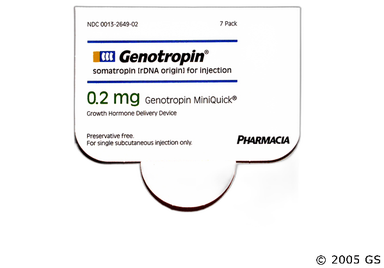
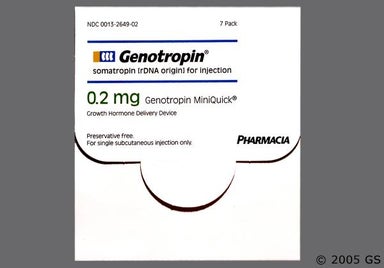
Genotropin (somatropin) is a growth hormone therapy for adults and children with low growth hormone. It also helps children with certain growth-related conditions, such as Prader-Willi syndrome and Turner syndrome. Genotropin (somatropin) comes as a multi-dose pen or single-dose MiniQuick device. You inject it under the skin, usually once a day. Some side effects include swelling, joint pain, and pain in the arms and legs.

Genotropin (somatropin) is a recombinant human growth hormone medication. It works like the natural growth hormone your body makes.
In children, it helps bones and tissues grow. In both adults and children, it helps control important body functions to support overall metabolism.
| Common Brands | Genotropin |
|---|---|
| Drug Class | Recombinant human growth hormone |
| Controlled Substance Classification | Not a controlled medication |
| Generic Status | No lower-cost generic available |
| Availability | Prescription only |

The following side effects may get better over time as your body gets used to the medication. Let your healthcare provider know immediately if you continue to experience these symptoms or if they worsen over time.
Children
Adults
Contact your healthcare provider immediately if you experience any of the following.
Along with its needed effects, a medicine may cause some unwanted effects. Although not all of these side effects may occur, if they do occur they may need medical attention.
Check with your doctor immediately if any of the following side effects occur:
More common
Bleeding gums
bloating or swelling of the face, arms, hands, ankles, lower legs, or feet
burning, numbness, pain, or tingling in all fingers except the smallest finger
coughing up blood
difficulty with breathing or swallowing
difficulty with moving
dizziness
increased menstrual flow or vaginal bleeding
muscle pain or stiffness
nosebleeds
not able to move
pain, swelling, or redness in the joints
prolonged bleeding from cuts
rapid weight gain
red or black, tarry stools
red or dark brown urine
tingling of the hands or feet
unusual weight gain or loss
Rare
Bleeding, blistering, burning, coldness, discoloration of the skin, feeling of pressure, hives, infection, inflammation, itching, lumps, numbness, pain, rash, redness, scarring, soreness, stinging, swelling, tenderness, tingling, ulceration, or warmth at the injection site
blurred vision
bone pain
change in personality
change in the ability to see colors, especially blue or yellow
changes in vision
chills
confusion
curved spine
darkened urine
fast heartbeat
flushed, dry skin
fracture
fruit-like breath odor
headache
increased hunger
increased thirst
increased urination
indigestion
limp pain in the hip or knee
loss of appetite
loss of consciousness
pains in the stomach, side, or abdomen, possibly radiating to the back
problems with walking or talking
seizures
stomachache
sweating
tumor
unusual tiredness or weakness
vomiting
yellow eyes or skin
Incidence not known
large, hive-like swelling on the face, eyelids, lips, tongue, throat, hands, legs, feet, or genitals
puffiness or swelling of the eyelids or around the eyes, face, lips, or tongue
skin lesions
tightness in the chest
unexplained weight loss
Get emergency help immediately if any of the following symptoms of overdose occur:
Symptoms of overdose
Backache
extreme weakness
increase in hand and foot size
increased volume of pale, diluted urine
pain in the arms or legs
stop in menstruation
Some side effects may occur that usually do not need medical attention. These side effects may go away during treatment as your body adjusts to the medicine. Also, your health care professional may be able to tell you about ways to prevent or reduce some of these side effects. Check with your health care professional if any of the following side effects continue or are bothersome or if you have any questions about them:
More common
Large, flat, blue, or purplish patches in the skin
unusually warm skin
Rare
Swelling of the breasts or breast soreness in both females and males
Other side effects not listed may also occur in some patients. If you notice any other effects, check with your healthcare professional.
Call your doctor for medical advice about side effects. You may report side effects to the FDA at 1-800-FDA-1088.



How to inject Genotropin (somatropin):

Genotropin (somatropin) can cause some serious health issues. This risk may be even higher for certain groups. If this worries you, talk to your doctor or pharmacist about other options.
Using Genotropin (somatropin) during a serious illness might raise the risk of death. This includes conditions like recovery after open heart or stomach surgery, serious injuries, or severe breathing problems.
Because of this risk, your care team will decide if it’s safe to continue Genotropin (somatropin) if you become very sick. They'll weigh the benefits and risks before continuing treatment.
Genotropin (somatropin) is FDA approved to treat children with Prader-Willi syndrome, but extra care is needed. Some deaths have been reported, especially in boys with risk factors like severe obesity, breathing problems, or respiratory infections.
Before starting Genotropin (somatropin), your child should be checked for breathing problems like sleep apnea. During treatment, tell your care team right away if your child snores more, has trouble breathing, or shows signs of infection, since they might have to stop the medication.
If you or your child had cancer in the past, there could be a higher risk of developing a new tumor while using Genotropin (somatropin). Some tumors can also come back.
Your care team will monitor you closely during treatment. Tell them right away if you notice any symptoms of cancer, like headaches, vision problems, or changes in moles or skin growths.
Genotropin (somatropin) can raise your blood sugar and make your body less sensitive to insulin. This might lead to new or worsening diabetes, especially if you have risk factors like obesity or a family history of diabetes.
If you have diabetes and take blood sugar-lowering medications, your dose might need to be adjusted. Your care team might also ask you to check your blood sugar regularly during treatment.
Genotropin (somatropin) can rarely cause high pressure in the brain, also called intracranial hypertension. Symptoms include headache, vision changes, nausea, or vomiting, and they usually happen within the first 2 months of treatment. Your prescriber will probably perform routine exams to watch for this problem before you start the medication and throughout your treatment.
Severe allergic reactions can happen with Genotropin (somatropin), including life-threatening reactions like anaphylaxis. Get medical help right away if you have symptoms like dizziness, a choking feeling, trouble breathing, nausea, or swelling of your eyes, lips, or tongue at any point during treatment.
Genotropin (somatropin) can cause your body to hold onto fluid, especially in adults. This might lead to swelling, joint or muscle pain, or tingling in your hands (like carpal tunnel symptoms). These side effects usually go away on their own or improve if your dose is lowered. Tell your care team if they bother you or don’t go away.
Genotropin (somatropin) can lower your cortisol levels, which is a hormone your body uses to handle stress and inflammation. The risk is higher if you're also taking steroid medications, like prednisone or methylprednisolone.
Genotropin (somatropin) can also lower your thyroid hormone levels. This could make the medication work less well, especially for growth in children. Your care team will check your thyroid levels before and during treatment and adjust medications if needed.
Genotropin (somatropin) can sometimes cause a hip problem in children, especially when they're growing too fast. This can lead to serious bone damage if not treated. Tell your care team right away if your child starts limping or has hip or knee pain so they can be checked quickly.
Genotropin (somatropin) can also worsen scoliosis in children who already have it and are growing quickly. Although the medication itself doesn't cause scoliosis. Tell your care team if you notice changes in your child's posture or back shape.
People with Turner syndrome have a higher risk of ear infections and hearing problems during treatment with Genotropin (somatropin). They also have a higher risk for heart problems like high blood pressure or stroke. Your care team will check you closely during treatment to help catch and manage these problems early.
Make sure you rotate where you inject Genotropin (somatropin) each time. If you inject it in the same spot for a long time, it can damage the fat under your skin. This can cause dents or thinning in that area.
It's rare, but Genotropin (somatropin) can cause a serious problem called pancreatitis (swelling of the pancreas). Symptoms include nausea, vomiting, and severe stomach pain that may spread to your back. Stop using the medication and get help right away if you have these symptoms.

 Cartridge
| Dosage | Quantity | Price as low as | Price per unit |
|---|---|---|---|
| 5mg | 3 cartridges | $2,135.29 | $711.76 |
| 12mg | 3 cartridges | $5,392.11 | $1,797.37 |
 Package
| Dosage | Quantity | Price as low as | Price per unit |
|---|---|---|---|
| 7 miniquick devices of 0.2mg | 4 packages | $358.68 | $89.67 |
| 7 miniquick devices of 0.4mg | 4 packages | $717.36 | $179.34 |
| 7 miniquick devices of 0.6mg | 4 packages | $1,076.04 | $269.01 |
| 7 miniquick devices of 0.8mg | 4 packages | $1,434.44 | $358.61 |
| 7 miniquick devices of 1mg | 4 packages | $1,793.12 | $448.28 |
| 7 miniquick devices of 1.2mg | 4 packages | $2,151.80 | $537.95 |
| 7 miniquick devices of 1.4mg | 4 packages | $2,510.48 | $627.62 |
| 7 miniquick devices of 1.6mg | 4 packages | $2,868.88 | $717.22 |
| 7 miniquick devices of 2mg | 4 packages | $3,586.52 | $896.63 |
| 7 miniquick devices of 1.8mg | 4 packages | $3,227.84 | $806.96 |
Genotropin (somatropin) is given as an injection under your skin, usually once a day. Your dose depends on your weight and the condition being treated, and your care team might adjust it based on how you respond.
Children
Adults

Although certain medicines should not be used together at all, in other cases two different medicines may be used together even if an interaction might occur. In these cases, your doctor may want to change the dose, or other precautions may be necessary. Tell your healthcare professional if you are taking any other prescription or nonprescription (over-the-counter [OTC]) medicine.


Contraindications are specific health conditions or situations in which a person should not take a medication due to safety concerns. If you have any of the following conditions or if any of the following apply to you, let your healthcare provider know because Genotropin (somatropin) will not be safe for you to take.



Prescription savings
Stop paying too much for your prescriptions. Compare prices, get pharmacy coupons, and save up to 80%. Find expert answers to your health questions so you can make the best decisions for yourself and your family.
Health conditions
Medications & treatment
Access & affordability
Medication discounts

No, Genotropin isn't a steroid. It’s a lab-made version of growth hormone that helps your body grow and manage other body functions like metabolism. Steroids are a different type of medication used for things like inflammation.
Before mixing, you can store Genotropin MiniQuick at room temperature for up to 3 months. But after mixing, inject it right away or keep it in the refrigerator and use it within 24 hours. The Genotropin pen should be kept in the refrigerator both before and after mixing.
Genotropin and Norditropin are both growth hormone medications that contain the same active ingredient, somatropin, but they differ in what they're approved for and how you use them. For example Norditropin is also approved in children for short height related to Noonan syndrome, in addition to other conditions that Genotropin treats. Genotropin often needs to be mixed before use and comes as multi-dose pen or single-dose MiniQuick devices, while Norditropin comes as a ready-to-use FlexPro pen that doesn't need mixing. Talk to your prescriber if you have questions about how they compare.
You can inject Genotropin under the skin in your thigh, buttock, or stomach (at least 2 inches away from your belly button). Make sure to rotate where you inject each time to help prevent irritation or damage.
No, Genotropin is not safe for bodybuilding. In fact, using it for this purpose is illegal. The medication is FDA approved for conditions like low growth hormone, not for building muscle or improving athletic performance. Using it without a medical need can raise your risk of serious side effects like swelling, joint pain, high blood sugar, carpal tunnel syndrome, and heart problems.
No. Genotropin isn't a controlled substance, but it's only available with a prescription from a healthcare professional.
Genotropin can raise your blood sugar, which can raise your risk of developing diabetes. But it doesn’t cause diabetes in everyone. Your care team might check your blood sugar during treatment to help keep it in a healthy range.
Genotropin doesn’t usually cause weight gain in the way you might expect. In fact, it often helps reduce body fat. But some people might notice temporary weight gain from fluid buildup (swelling), especially when starting treatment. If you notice unexpected weight changes, talk to your care team.
Genotropin takes time to work, so you might not notice changes right away. In children, growth changes usually become noticeable after several months of regular use. Keep using it as prescribed and talk with your care team about what to expect.
