Non-Hodgkin Lymphoma
Comprehensive information for you or a loved one — including treatment options and discounts on popular medications.Non-Hodgkin lymphoma is cancer of the lymphatic system. The lymphatic system is part of the immune system. It is made up of infection-fighting cells, called lymphocytes, and all of the organs and tissues that make and carry lymphocytes throughout the body. Non-Hodgkin lymphoma starts when a lymphocyte grows and divides uncontrollably.
There are many different types of non-Hodgkin lymphoma. It depends on the kind of lymphocyte affected, such as B-lymphocytes, T-lymphocytes, and natural killer cells. Other factors include the location of the cancerous cells and how quickly they are spreading.
Non-Hodgkin lymphomas can be divided into two groups:
Indolent: These forms of non-Hodgkin lymphoma are slow growing and less likely to spread. One of the most common indolent types of non-Hodgkin lymphomas is follicular lymphoma.
Aggressive: These are non-Hodgkin lymphomas that grow and spread quickly. Diffuse large B-cell lymphoma is an example of an aggressive non-Hodgkin lymphoma.
Sometimes, indolent types of lymphoma can turn into aggressive types of lymphoma.


The symptoms of non-Hodgkin lymphoma can be subtle and difficult to spot. Some common symptoms of non-Hodgkin lymphoma include:
Tiredness (fatigue)
Unexplained weight loss
Night sweats
Swollen lymph nodes in the neck, armpit, or groin
Trouble breathing or chest pain
Itchy skin
The symptoms of non-Hodgkin lymphoma are non-specific, which means they can be caused by conditions other than lymphoma. For example, swollen lymph nodes in the neck are more often caused by throat infections than by cancer of the lymphatic system.
Talk with a healthcare provider if you’re experiencing any of these symptoms. Your provider can help determine whether your symptoms are from lymphoma or other more common conditions.
A lymph node biopsy can help diagnose non-Hodgkin lymphoma. During a lymph node biopsy, a healthcare provider removes a small piece of lymph node. The sample is then sent for further testing to look for signs of lymphoma.
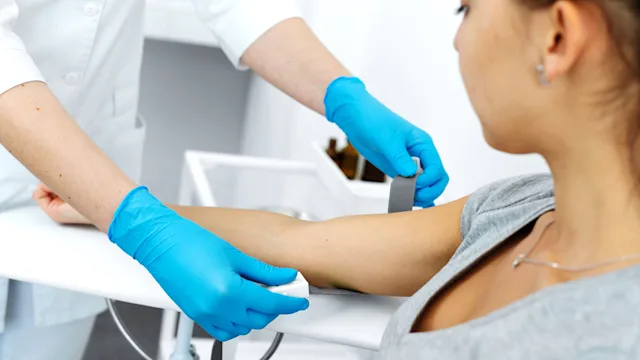
But not everyone who has symptoms of lymphoma needs a biopsy. First, your healthcare provider will evaluate your symptoms and perform a physical exam. They may order blood tests or imaging to look for other more common conditions.
Depending on the results of these initial tests, you may then be sent for a biopsy. There are different kinds of biopsies, including:
Needle biopsy: A thin, hollow needle is used to remove a small amount of tissue. A needle biopsy is minimally invasive, which means that there are no incisions made in order to get the sample. But sometimes the sample that is removed is not large enough to make a diagnosis.
Incisional or excisional biopsy: For these biopsies, an incision is made in the skin in order to get the tissue sample. An excisional biopsy is usually the preferred method for diagnosing lymphoma because an entire lymph node is removed for testing.
If a biopsy shows non-Hodgkin lymphoma, further testing will help determine the type of lymphoma and its stage, or how far it has spread.
Compare prices and information on the most popular Non-Hodgkin Lymphoma medications.
There are many different treatments for non-Hodgkin lymphoma, depending upon the type of lymphoma and its stage. Treatments for non-Hodgkin lymphoma include:
Chemotherapy: Chemotherapy uses medications to target and destroy rapidly growing cancer cells throughout the body.
Immunotherapy: Immunotherapy uses medications that help our immune system find and destroy cancer cells.
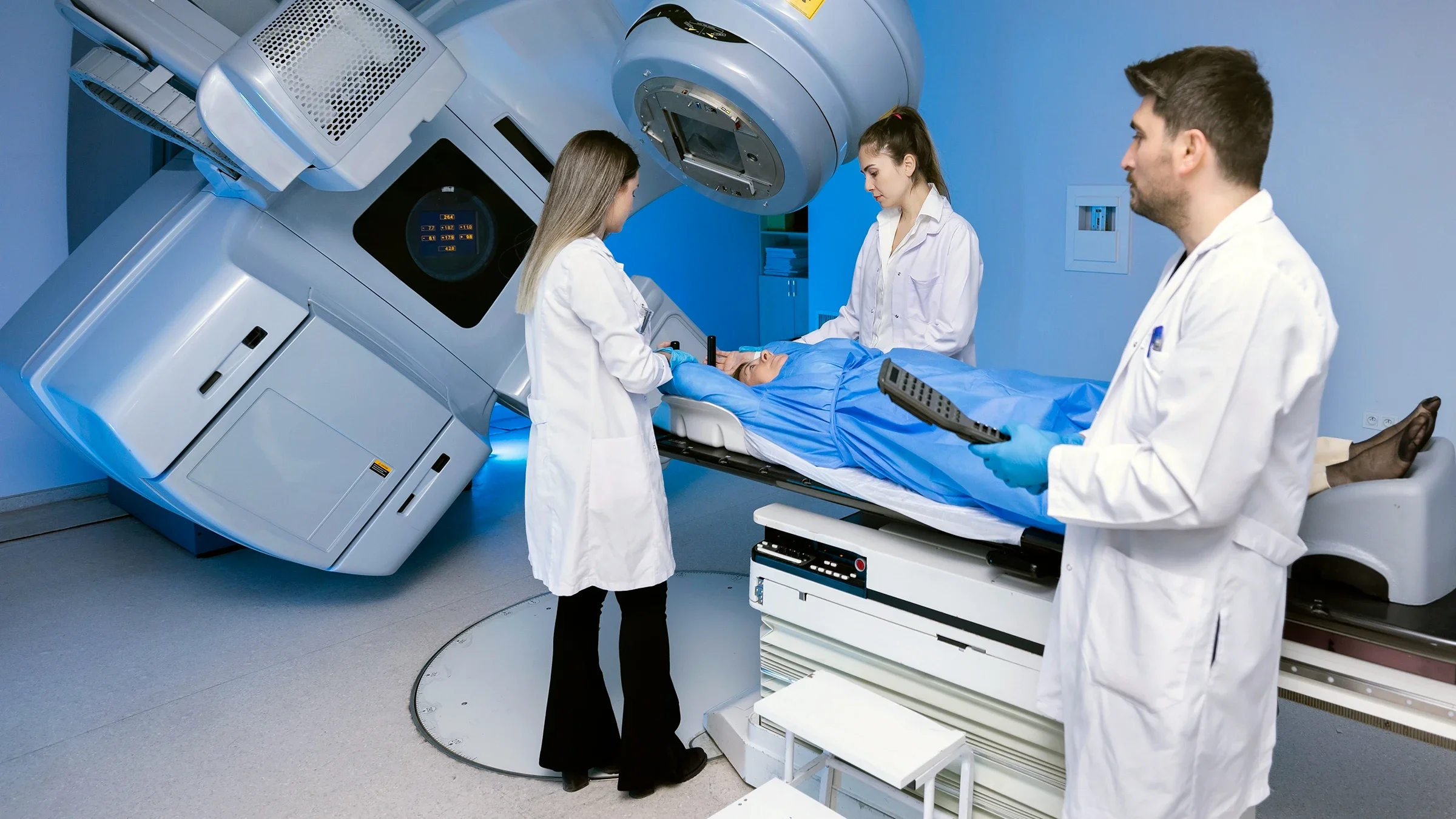
Radiation therapy: Radiation therapy uses high energy waves to kill cancer cells.
Targeted drug therapy: Some types of non-Hodgkin lymphoma can be treated with medications that directly target cancerous cells, called targeted drug therapy.
In many cases, more than one type of therapy is used in combination to treat non-Hodgkin lymphoma.
It depends on the type of non-Hodgkin lymphoma.
Some kinds of non-Hodgkin lymphoma can be cured with intensive chemotherapy. This means that all traces of cancer are gone after treatment and the cancer will not come back.
Other types of non-Hodgkin lymphoma cannot be cured. Instead, the goal of treatment is to eliminate as much of the cancer as possible and keep the cancer in check.
It depends on the type of non-Hodgkin lymphoma.
Some kinds of non-Hodgkin lymphoma can be cured with intensive chemotherapy. This means that all traces of cancer are gone after treatment and the cancer will not come back.
Other types of non-Hodgkin lymphoma cannot be cured. Instead, the goal of treatment is to eliminate as much of the cancer as possible and keep the cancer in check.
Early warning signs of non-Hodgkin lymphoma include swollen lymph nodes that don’t go away and unexpected weight loss. It can be hard to spot non-Hodgkin lymphoma early on because the symptoms can be mild and easy to miss.
Yes, people with non-Hodgkin lymphoma can live a normal life after treatment. But some people develop long-term side effects from their treatment. Some treatments increase the risk of developing a different type of cancer later in life. Other treatments can affect your fertility or increase your risk of developing heart disease. People who’ve completed treatment for non-Hodgkin lymphoma will need lifelong follow-up with their medical team to monitor for and treat any long-term complications from their lymphoma treatment.
American Cancer Society. (n.d.). Treating non-Hodgkin lymphoma.
American Cancer Society. (2023). Targeted drug therapy for non-Hodgkin lymphoma.

Prescription savings
Stop paying too much for your prescriptions. Compare prices, get pharmacy coupons, and save up to 80%.Resources
About GoodRx
 Find expert answers to your health questions so you can make the best decisions for yourself and your family.
Health conditions
Medications & treatment
Access & affordability
Well-being
Medication discounts