Key takeaways:
Energy drinks can temporarily raise your blood pressure and heart rate. This can be particularly dangerous for people with underlying heart conditions.
Even in healthy people, a spike in blood pressure can be harmful. Energy drinks have been linked to heart attacks and — in rare cases — cardiac arrest.
Labels on energy drinks are not a reliable way to know their ingredients. Some may contain a dangerous amount of caffeine or stimulants. This can make it hard to predict how they will affect you and your body.
Energy drinks account for nearly 1 in every 3 drinks sold at convenience stores in the U.S. They are a multibillion dollar industry. People reach for them for different reasons — to get through a long work day, get an extra boost before a workout, or simply to help find a second wind.
Research shows that men under 35 and teens are most likely to use these products. Most people in these age groups are fairly healthy. But these drinks can still have a harmful effect on their blood pressure and heart rate. And some may have health conditions that make this dangerous.
In this article, we’ll look at how energy drinks can affect your body and health. And you can learn which ingredients to look out for.
What is an energy drink?
Energy drinks are marketed to improve energy and mental focus. The CDC defines an energy drink as one that may contain large amounts of:
Caffeine
Added sugars
Legal stimulants, such as green tea, guarana, bitter orange, and ginseng
Supplements, like taurine and L-carnitine
Other additives, such as vitamins, often in large quantities
Energy drinks are not the same as hydrating sports drinks. Sports drinks are usually made from water, sweeteners, and electrolytes like sodium and potassium.
Energy drinks are also different from traditional caffeinated drinks, like coffee and tea. These are plant-based products that naturally contain caffeine.
Many different companies make energy drinks, and the government does not closely regulate them. This means it’s hard to know exactly what is in them. This is enough of a concern that the U.S Anti-Doping Agency recommends athletes avoid these drinks because they could contain banned substances.
Do energy drinks raise blood pressure?
Yes. This is mainly from the high amount of caffeine in energy drinks. But these products also contain other stimulants that can affect blood pressure.
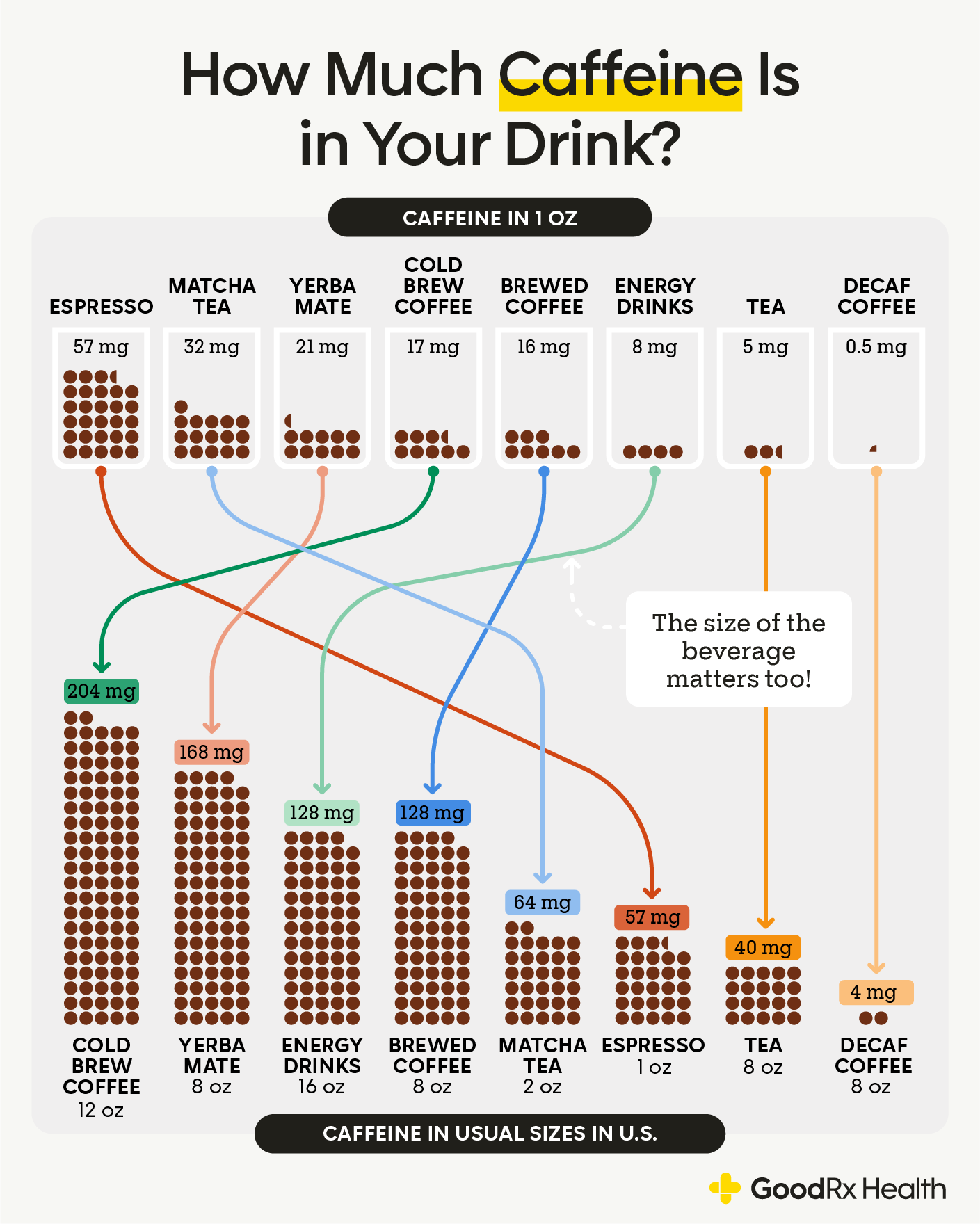
The best selling brands contain at least 100 mg of caffeine, which is similar to a cup of coffee. This amount can raise blood pressure up to 15 points in some people. But, in some cases, energy drinks have more caffeine than what the label reports.
Some brands have as much caffeine as 7 cups of coffee. At this dose, blood pressure may climb much higher. That’s especially true if you drink more than one serving.
But the story does not end there. Many energy drinks also contain substances like guarana and bitter orange. These additives are intended to have a stimulant effect, and they may also affect blood pressure.
Mayo Clinic researchers studied the effects of one popular energy drink in young, healthy people. The drink contained 240 mg of caffeine, guarana, and other additives. After just 30 minutes, the average blood pressure had increased by over 6%, with a range of up to nearly 10%. For some people, this might not be alarming. But, for others, this change could make the difference between normal and high blood pressure.
Researchers also found that the drink significantly increased the level of stress hormones in the body — adrenaline levels increased by nearly 75%. Adrenaline can cause heart palpitations and high blood pressure. High levels may even raise the risk for heart attacks. When combined with caffeine, the effects can be even greater.
It’s important to note that most studies of energy drinks have tested them on young, healthy people. If you have health conditions like hypertension or heart disease, you may be more sensitive to the effects of these products.
Which energy drinks increase your blood pressure the most?
The more caffeine and other additives in an energy drink, the more likely it is to raise your blood pressure. And the more you drink, the more intense the side effects will be. The FDA lists 400 mg of caffeine a day as a safe maximum. But some people will have problems with much smaller amounts.
One problem with energy drinks is that the labels are not always clear. The average energy drink has 18 different ingredients. The label usually doesn’t state the amount of each ingredient. And many of the listed ingredients may have confusing names, or they can be hard to recognize. This means you may be getting more caffeine and other stimulants than you realize.
How long do energy drinks increase blood pressure?
Energy drinks can include a wide range of ingredients. That’s why it’s hard to know for sure how long the effects can last. In general, the effects on blood pressure may last for at least 2 hours.
Are energy drinks bad for your heart?
Yes, energy drinks can potentially cause serious harm to your heart. In the U.S., energy drinks account for more than 20,000 visits to the emergency room each year. While rare, there are reports of energy drinks leading to life-threatening heart conditions, including:
Heart attacks: These have even happened to people in their 20s. The heart attacks in these cases are often caused by spasm or tearing of the heart artery.
Cardiac arrest: A cardiac arrest can be caused by a heart attack or abnormal electrical activity in the heart.
One study of young, healthy people looked at two different brands of energy drinks. Researchers found higher blood pressure after just two cans of the products. They also noticed changes in the electrical patterns of the heart on an ECG. These are the types of changes that can lead to serious heart rhythm problems. In the worst cases, that can cause cardiac arrest.
Are energy drinks bad for your blood pressure and heart over the long term?
You’re not likely to cause permanent damage to your heart from an occasional energy drink. The effects on heart rate and blood pressure will usually wear off after a few hours. But regular use may cause higher blood pressure and heart palpitations.
You should get immediate medical attention if you experience:
Chest pain that lasts more than a few minutes
Palpitations or a fast heart rate that doesn’t stop after a few minutes
Dizziness or lightheadedness
These may be serious symptoms that could suggest an underlying heart condition. So you’ll want to get an evaluation.
The bottom line
Most people can enjoy an energy drink from time to time without any long-term consequences. But even a temporary rise in blood pressure can be dangerous — especially for people with underlying high blood pressure or a heart condition. Even if your heart is healthy, energy drinks can still lead to unpleasant symptoms like palpitations or chest pain.
If you experience any symptoms after an energy drink, seek medical attention right away. This may be a sign of a potentially serious heart condition.

Why trust our experts?



References
Berger, A. J., et al. (2009). Cardiac arrest in a young man following excess consumption of caffeinated ‘energy drinks’. The Medical Journal of Australia.
Bui, L. T., et al. (2006). Blood pressure and heart rate effects following a single dose of bitter orange. The Annals of Pharmacotherapy.
Centers for Disease Control and Prevention. (2018). Spilling the beans: How much caffeine is too much?.
Centers for Disease Control and Prevention. (2022). The buzz on energy drinks.
Consumer Reports Magazine. (2012). The buzz on energy-drink caffeine.
Grasser, E. K., et al. (2016). Energy drinks and their impact on the cardiovascular system: Potential mechanisms. Advances in Nutrition.
Jagim, A. R., et al. (2022). Prevalence and amounts of common ingredients found in energy drinks and shots. Nutrients.
Jalili, J., et al. (2013). Herbal products that may contribute to hypertension. Plastic and Reconstructive Surgery.
National Center for Complementary and Integrative Health. (2018). Energy drinks.
Ridder, M. (2022). Energy drink sales in the United States from 2017-2021. Statista.
Scott, M. J., et al. (2011). Myocardial infarction in young adults following the consumption of a caffeinated energy drink. British Medical Journal Case Reports.
Shah, S. A., et al. (2019). Impact of high volume energy drink consumption on electrocardiographic and blood pressure parameters: A randomized trial. Journal of the American Heart Association.
Substance Abuse and Mental Health Services Administration. (2013). Update on Emergency Department Visits Involving Energy Drinks: A Continuing Public Health Concern. The DAWN Report.
Svatikova, A., et al. (2015). A randomized trial of cardiovascular responses to energy drink consumption in healthy adults. JAMA.
United States Anti-Doping Agency. (n.d.). Energy drinks vs. sports drinks: What’s the difference?.